

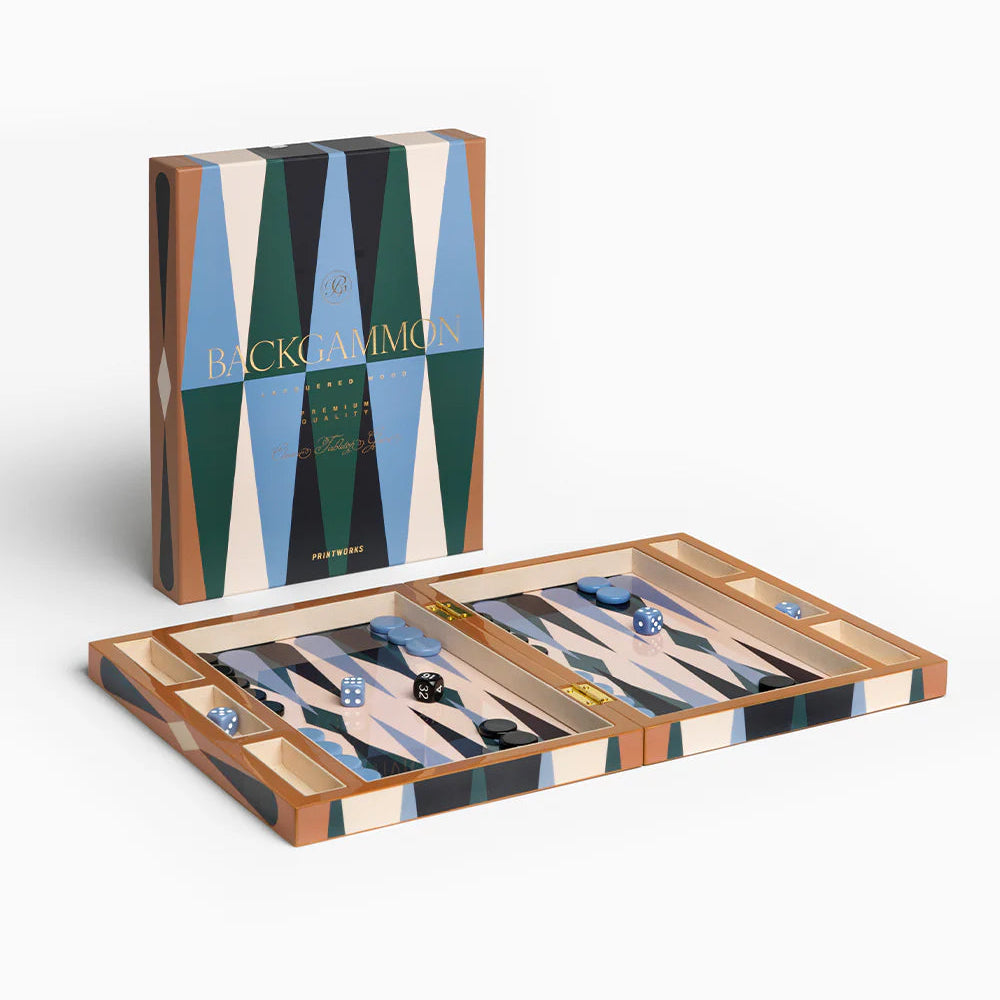


Brain-stimulating, social and tactically satisfying, the game of mahjong is popping up on social media feeds, coming up in conversation and morphing from Chinese tradition to ubiquitous lifestyle trend, and we’re here for it. If you haven’t found yourself a seat at table yet, here’s everything you need to know to get started.
The Game
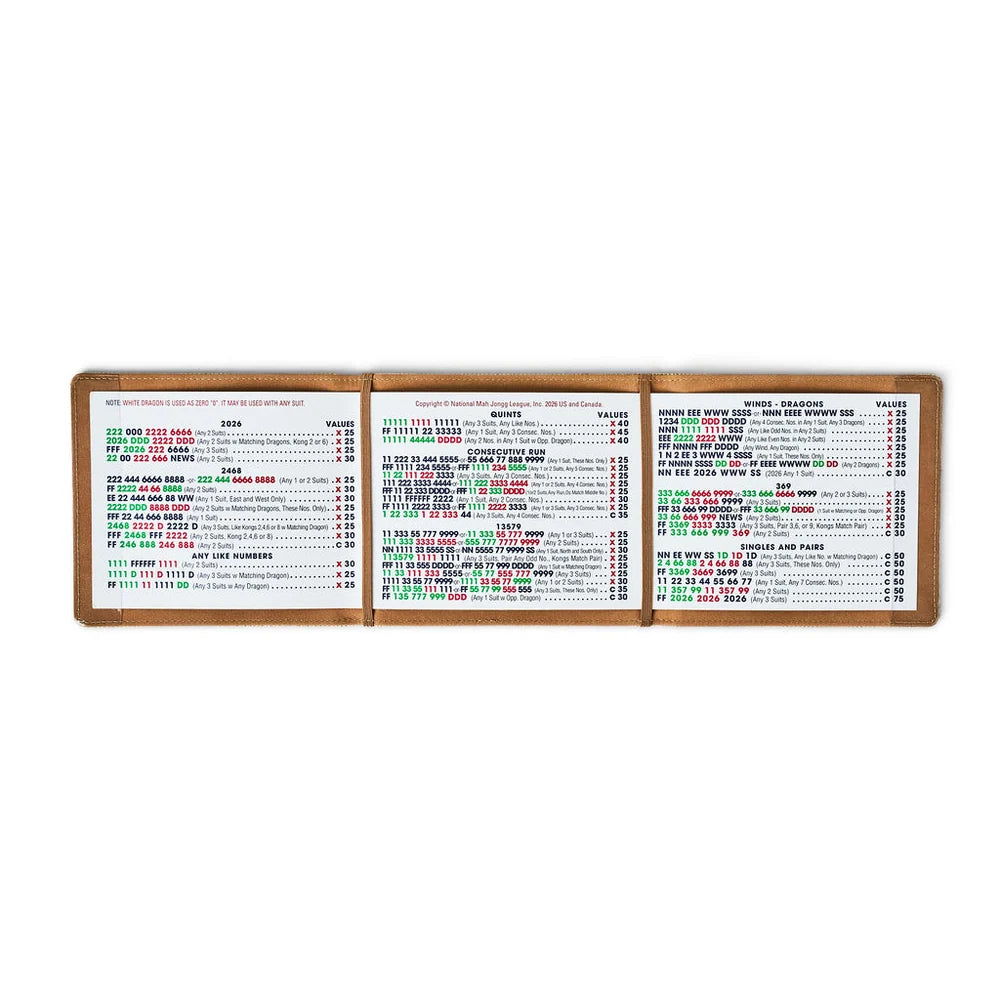
The game is a four-player tile game that blends goals of rummy (forming matched sets) with the strategy of poker. It’s lively, fast and social, played around a square table like the game of bridge. You start with 13 or 14 tiles and upon each turn, pick up and discard. In the Chinese version, you work toward getting four sets and one pair to win. In the American version, you work toward getting the 14 tiles on your rack to match the hands published on the annual National Mahjong League Card, which must be purchased each year. The winning hands change annually. “I think somewhere along the way, as adults, we forget to play,” says Anne Kennedy Dotson, founder of Tala, 365 Collection’s newest line devoted to all things mahjong. Dotson started the collection of tiles, racks and more with her sister when the two decided to share their passion for the game with the world through their products. As adults, she says, “we're so busy taking care of everyone and everything that we don't always make time for ourselves. Mahjong gives us a reason to do that. It's a few hours to put your phone away, forget about your to-do list, and just have fun—a little escape from the everyday, which I think we all need more of.”

Tradition Expands
The Chinese version has been played for centuries and passed down from one generation to the next across Asian culture. That’s how Greenwich Mahjong Club founder Jackie Moy learned to play the game. “I was born in Hong Kong, so Mahjong was always the backdrop in my childhood,” she says. “People just got together when there were family gatherings—just a dinner or a wedding—and we played mahjong. We learned to play at a very young age.”
When she moved to California in the 1980s, her parents learned American culture by getting together with other Asian families and playing mahjong while they learned where the bus stops were and where the best grocery stores were and how insurance works. “It’s a fond memory for me about Chinese culture,” she says. Fast forward to 2018. The movie Crazy Rich Asians, was igniting new interest in the game beyond Asian communities and friends were asking her to teach them to play. Then in 2001, after Moy moved to Greenwich, she harnessed her skills and went from teaching friends to teaching continuing education classes through the Greenwich Board of Education. Today, she runs her own private Greenwich Mahjong Club at the Cohen Eastern Greenwich Civic Center and teaches classes at the Greenwich Public Library. “We started teaching private lessons and doing social nights at country clubs and team building corporate events. “I’ve been lucky enough to reach different demographics,” says Moy who teaches both the Chinese version and the American version to students and club members alike.



Always Evolving
While the American version is more complex, many people like that the winning hands change annually in the American game, allowing it to feel new and challenging, particularly when you’ve been a longtime player. “You can play mahjong for 15 years but every April when a new card comes out, you have to completely reset and strategize the new card,” says Haley Restrepo, co-founder of Rack and Rally Society, a lifestyle and social club in Greenwich that hosts corporate and private mahjong events as well as moderating curated community play. The American version of mahjong evolved in the 1800s and flourished, says Restrepo. With the National Mahjong Card, you don’t have to memorize the winning hands. Plus, if you can get your hands on an older or vintage card, it adds an element of nostalgia to the game. For instance, for someone’s birthday, you can find a 1985 card to commemorate the year they were born. “I love the history aspect of the game,” says Restrepo, who was drawn to mahjong for therapeutic reasons. As a young mom who moved from California to Fairfield County, she had let her health slip through a series of surgeries and medical recoveries. “My brain fog had gotten really bad, and I was missing the socializing aspect of working and being in the city,” she says. Her doctor and a few friends suggested she try mahjong. She knew friends were getting in on the trend and figured the game would be easy. After she and her mom watched a few tutorials online, they realized it was more complex than they thought. She loved the brain stimulation and the socialization it afforded her without having to talk about her personal life when she was meeting new people. “I used those mahjong events as a way to get back,” says Restrepo.
Socializing with Purpose
Restrepo believes the game has taken off on social media and in events across the country because people want to connect in a real and tangible way, and playing the game allows for that without putting a focus on drinking. “It’s a great way to find a common medium for everyone, to take away some of the awkwardness, and take the focus off drinking,” she says. As a former corporate event planner, she understands the bonds and common ground that you can create with a room full of strangers when everyone is learning something new together.

A Game for Everyone
It’s a game that spans ages as well. That’s how Emma Kozlowski, founder of The Blue Tile Co., in Bethel, CT, got started. “I was playing last summer at Bethany Beach with my sister-in-law who had just learned,” says Kozlowski, who now plays with her whole family, including her 8-year-old. Her grandmother had been playing for 20 years, and she considered mahjong to be for seniors, but after playing a few times on their weekend away she was hooked. When she got a few friends together to play at her house last November, the former teacher realized she didn’t need a classroom to do something she loved. “I was a middle school special education teacher before staying home with my kids, so it was a great blend of my former backgrounds,” says Kozlowski, who has experience hosting events, too. Her family plays host to the annual Scotty Fund Gala each December for the past 30 years. The gala raises money to give grants to children suffering from critical illnesses.
Through The Blue Tile Co., Kozlowski now hosts events at local restaurants, vineyards and schools as well as private, curated events at people’s homes to teach and play the game of mahjong. “When I host a public event, people come for two hours. We go over all the rules and then we do one full game,” says Kozlowski, who is looking to grow a mahjong community in the Danbury area similar to the way they’ve built a community around the Scotty Fund. Then, for play nights, ticketholders who know the game come for guided play and a night out with friends. She attributes the game’s popularity to a general love for hobbies and a growing desire for people to step away from their phones and make memories. “When I host these events, no one has their phone out,” says Kozlowski. She customizes each event for her clients, whether public or private. “I think it’s really nice that people take two hours to do something for themselves, do something new.”





Curated and Customized
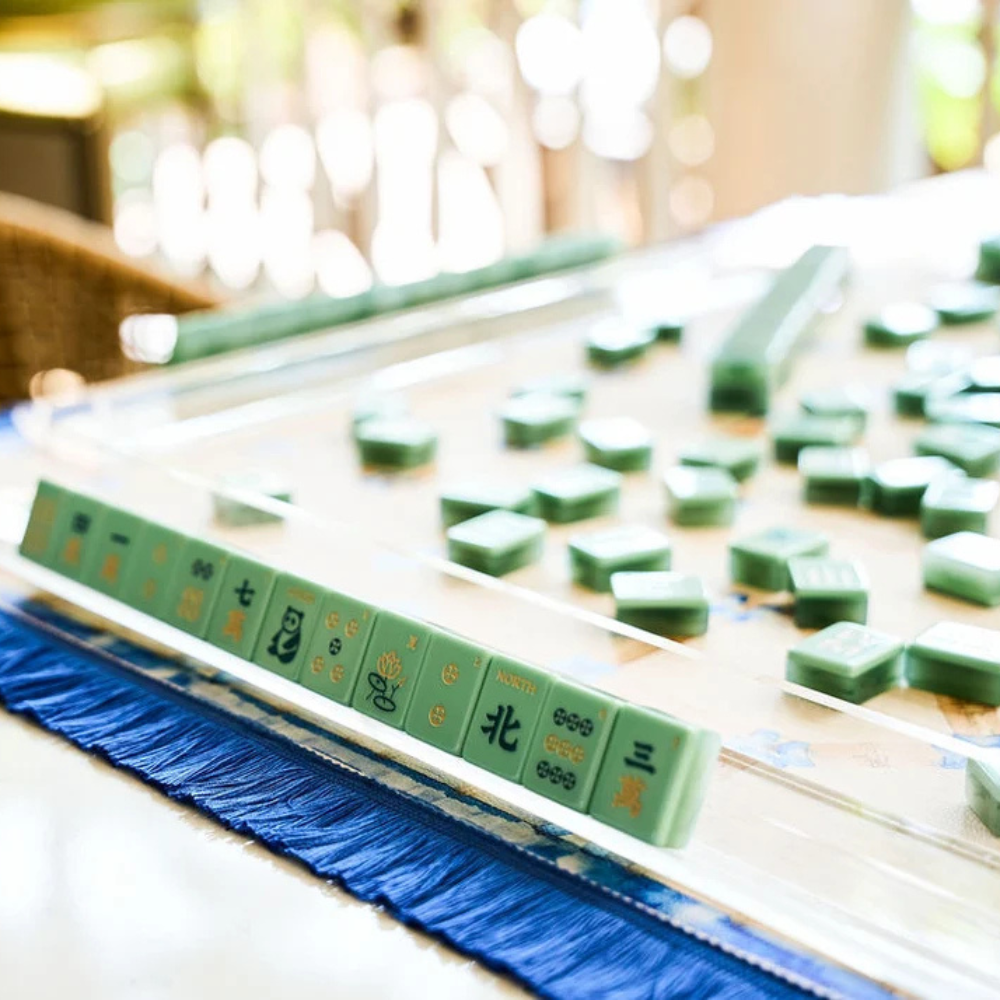
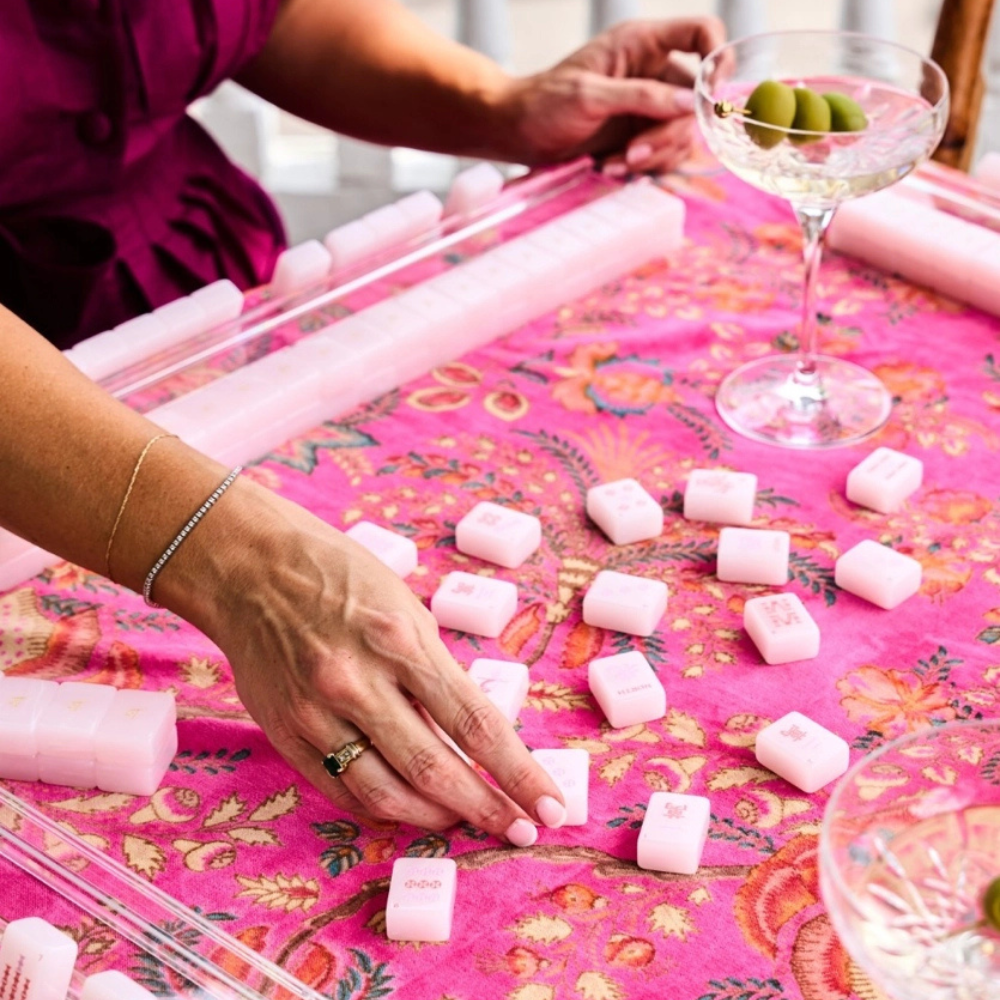
While Blue Tile aims to remain local, Rack and Rally events span across the country. Restrepo says each one is curated, themed and customized for each client. The team also coordinates catering and gives lessons to attendees through corporate, private, pop-up and club events. “We’re creating a full experience,” she adds, from curated cocktails to full menus to themed décor, like the company’s recent Palm Royale dinner, which included caftans, grasshopper cocktails, and colorful mats and tiles.
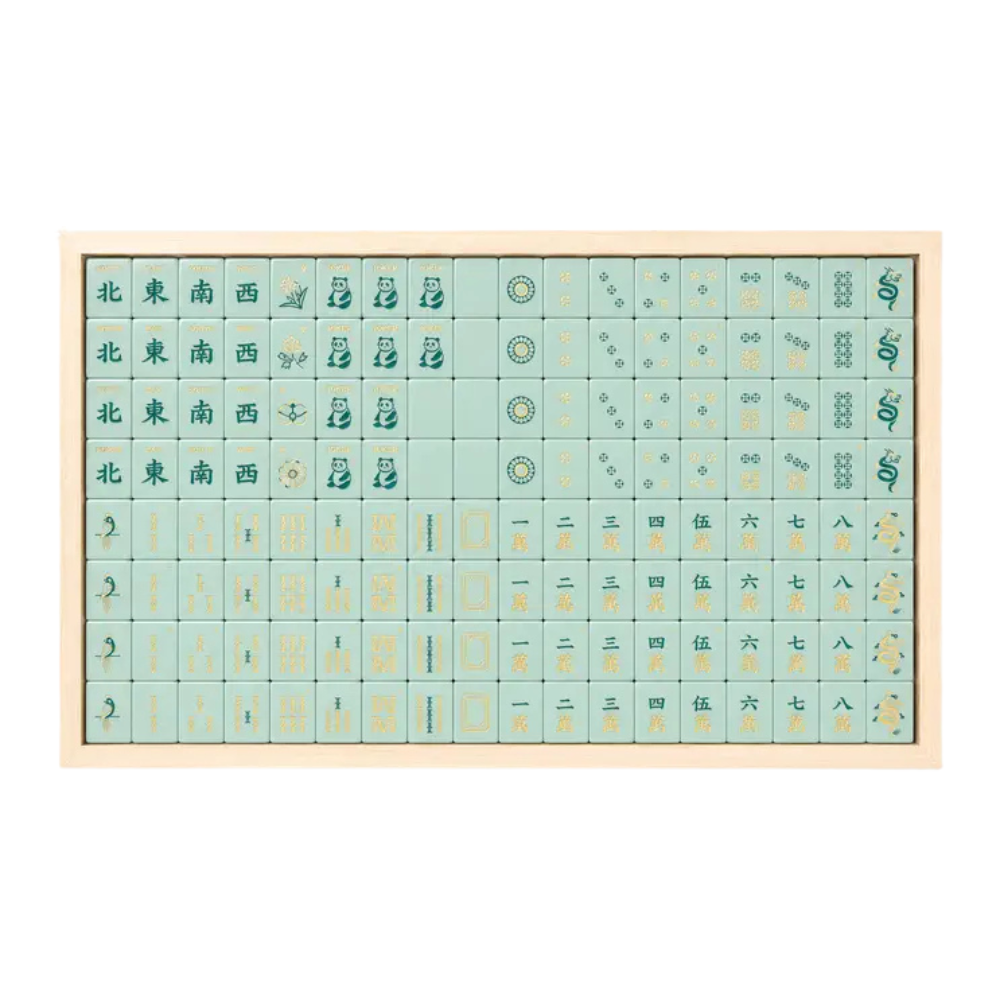
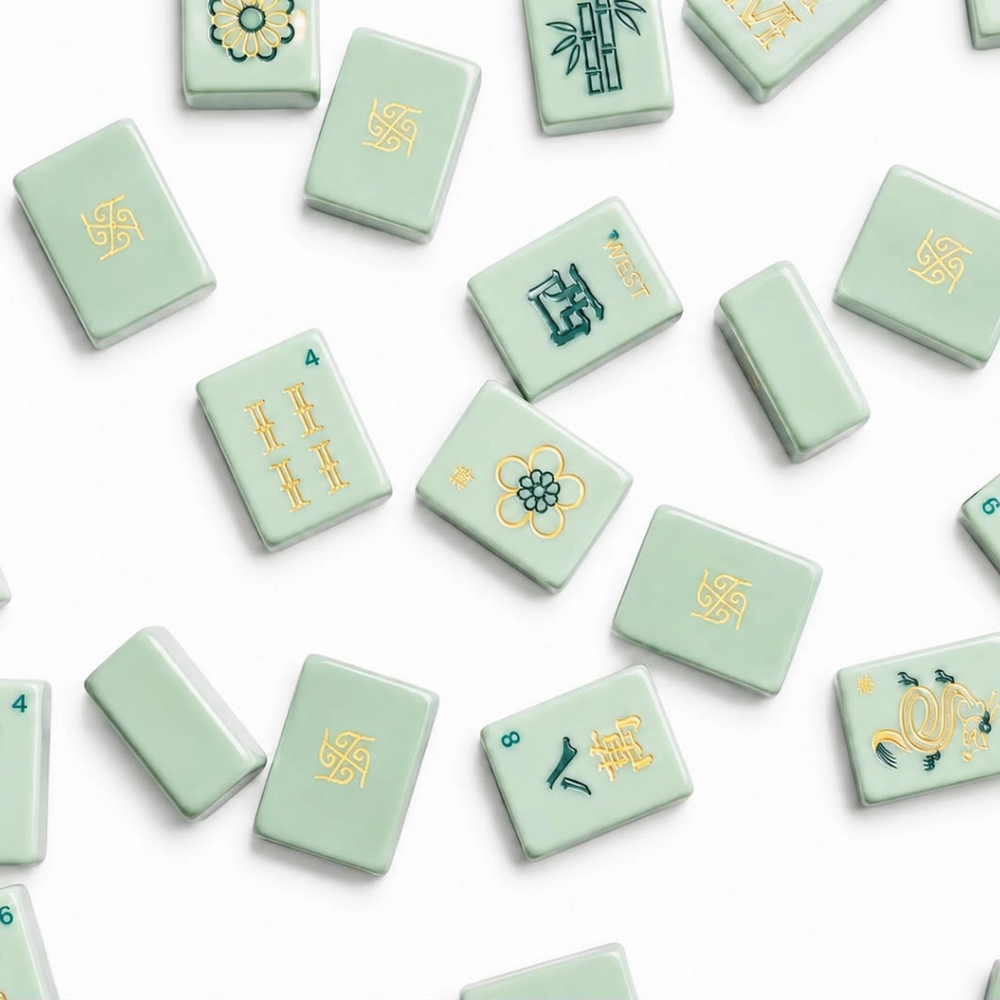
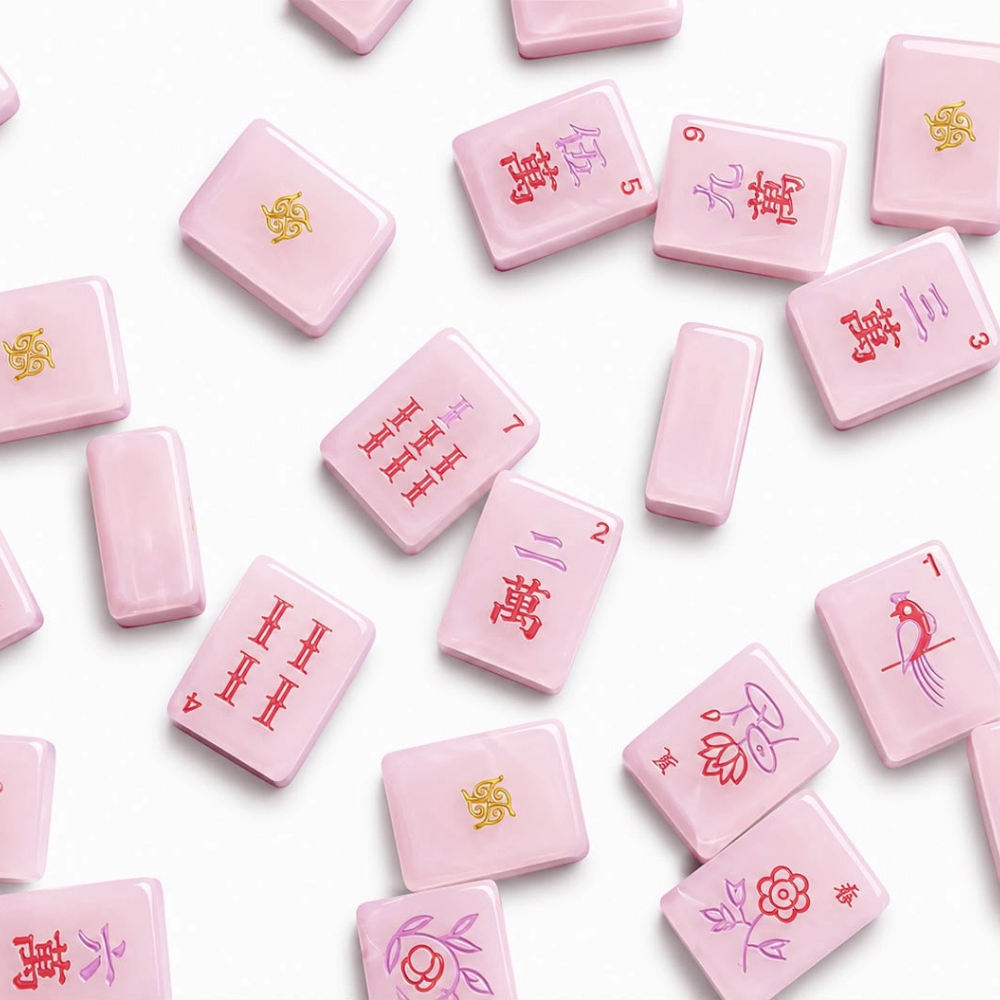
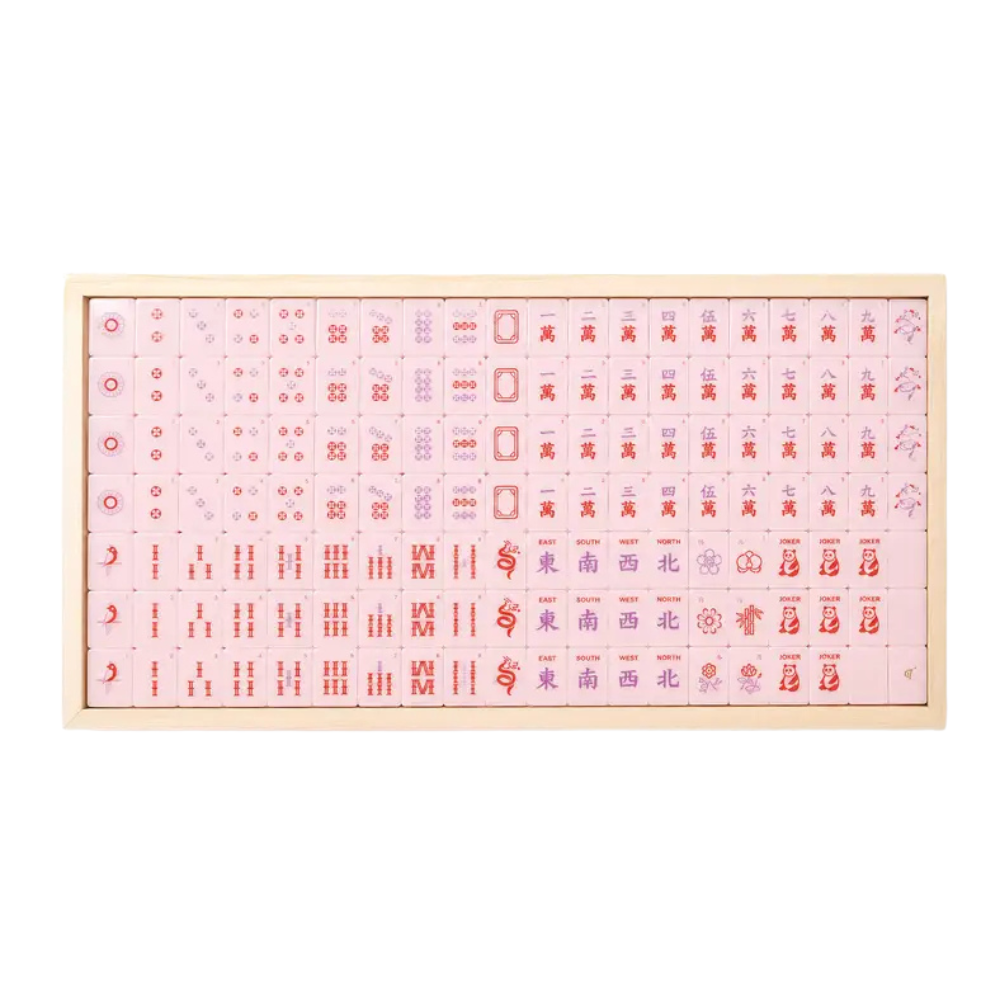
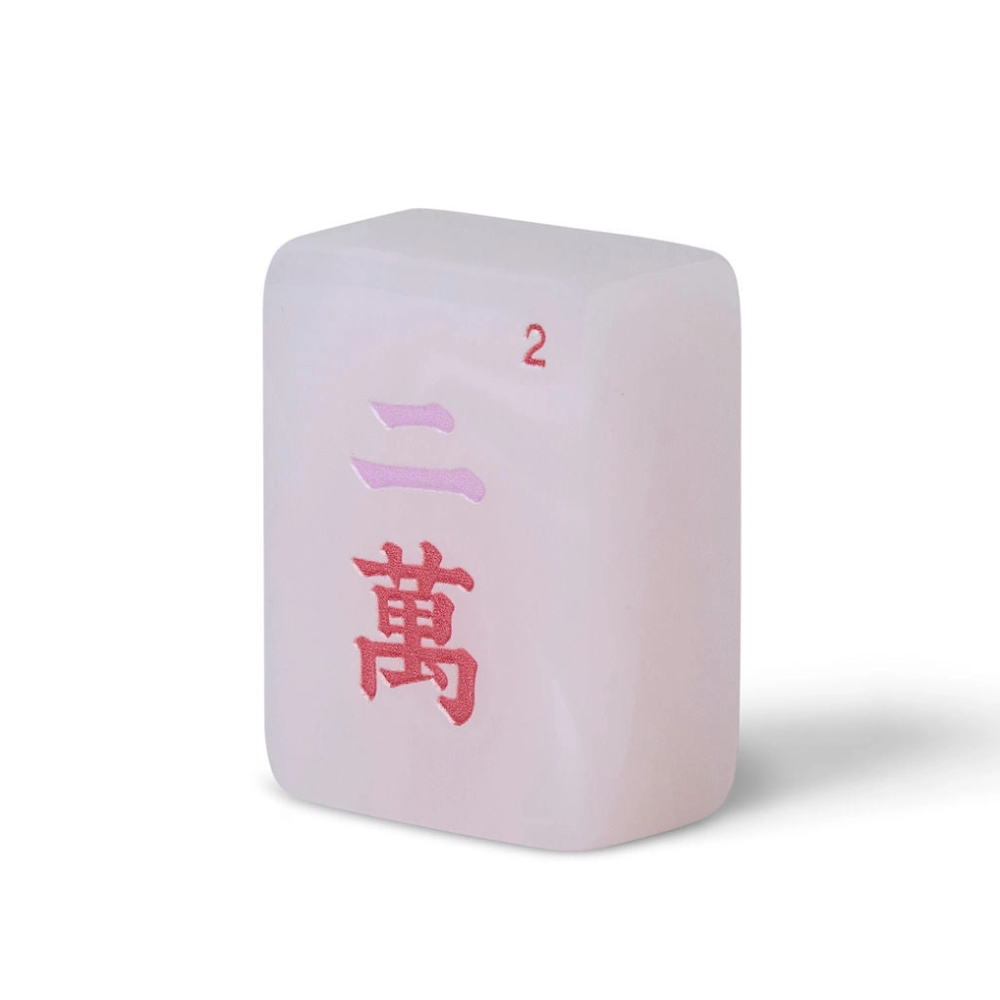
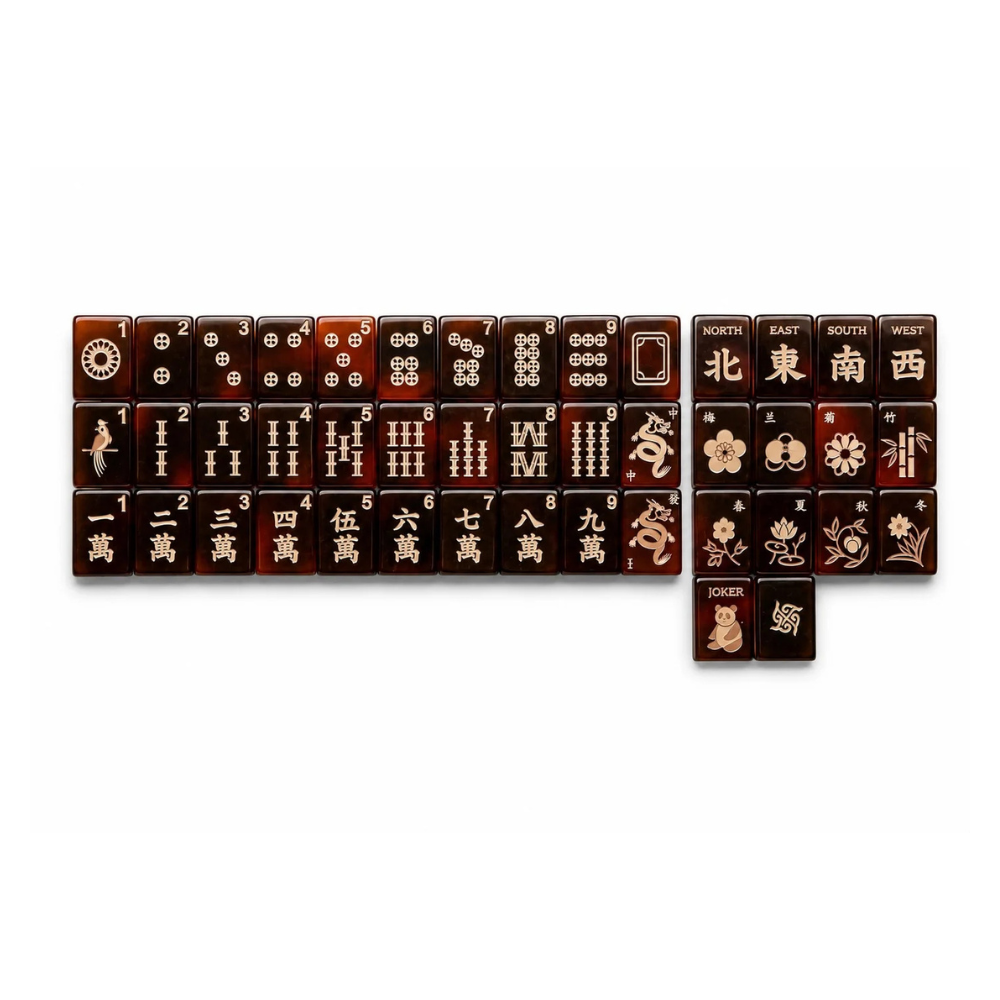
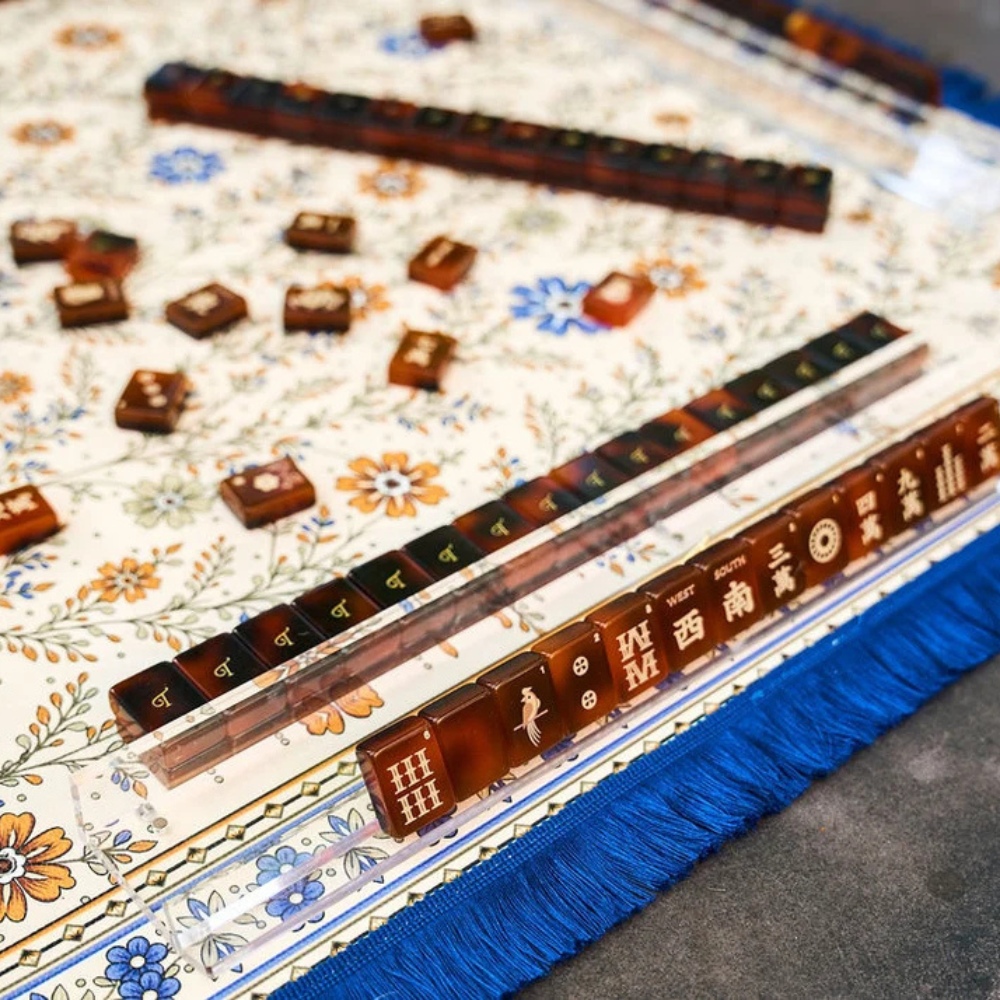
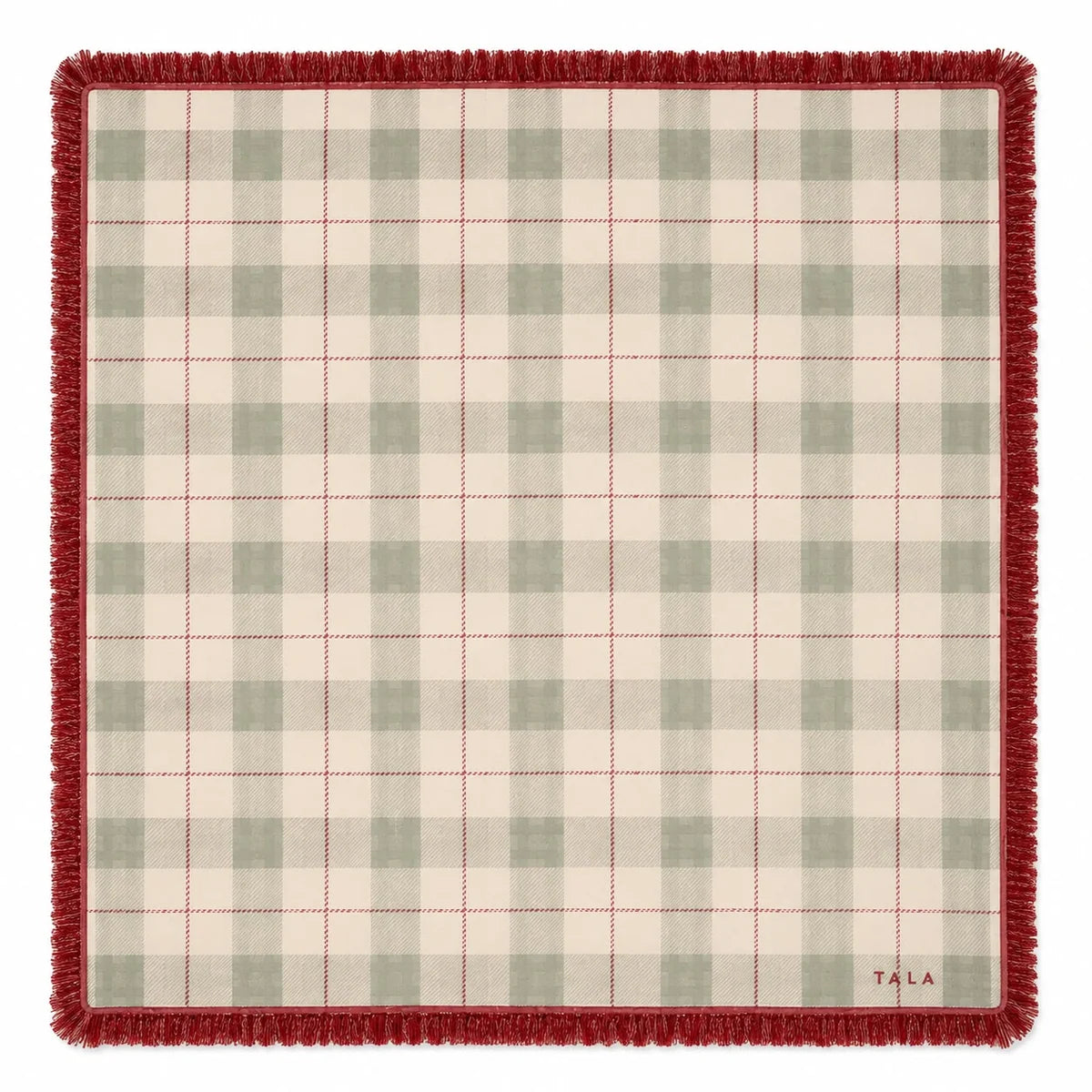
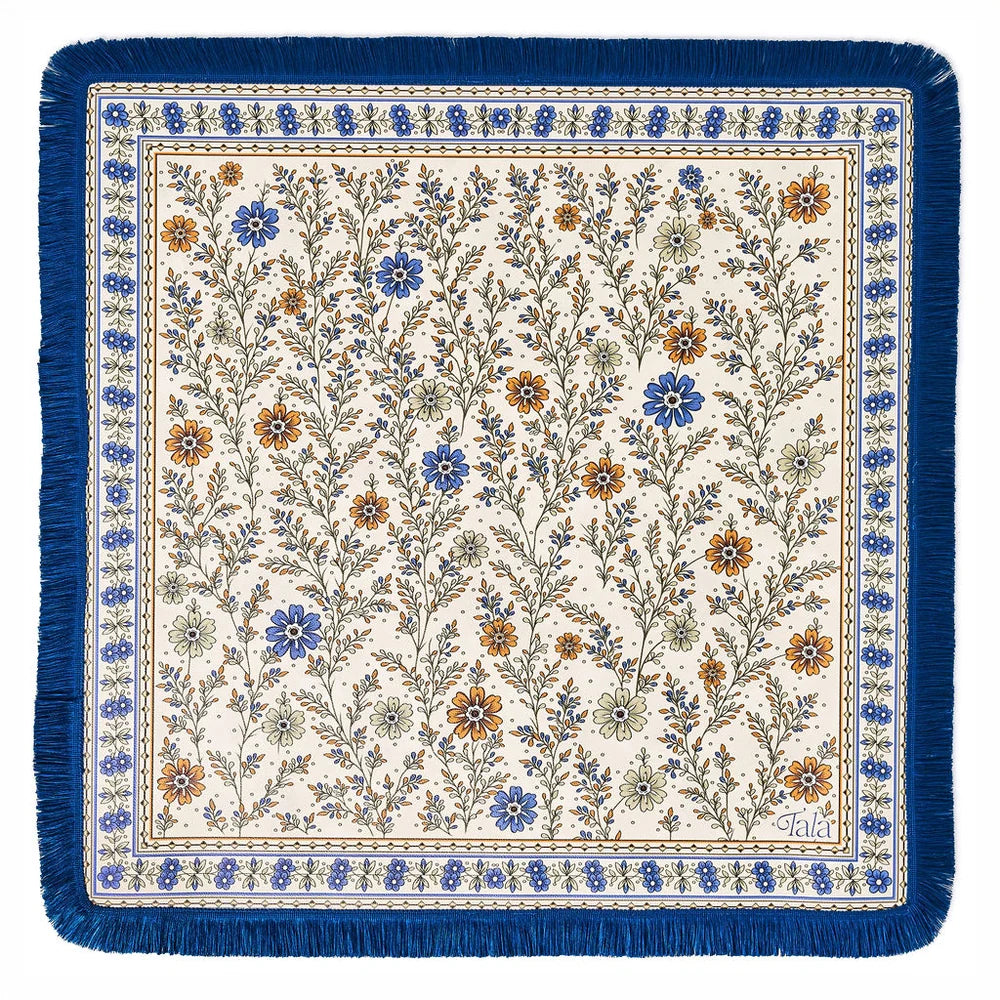
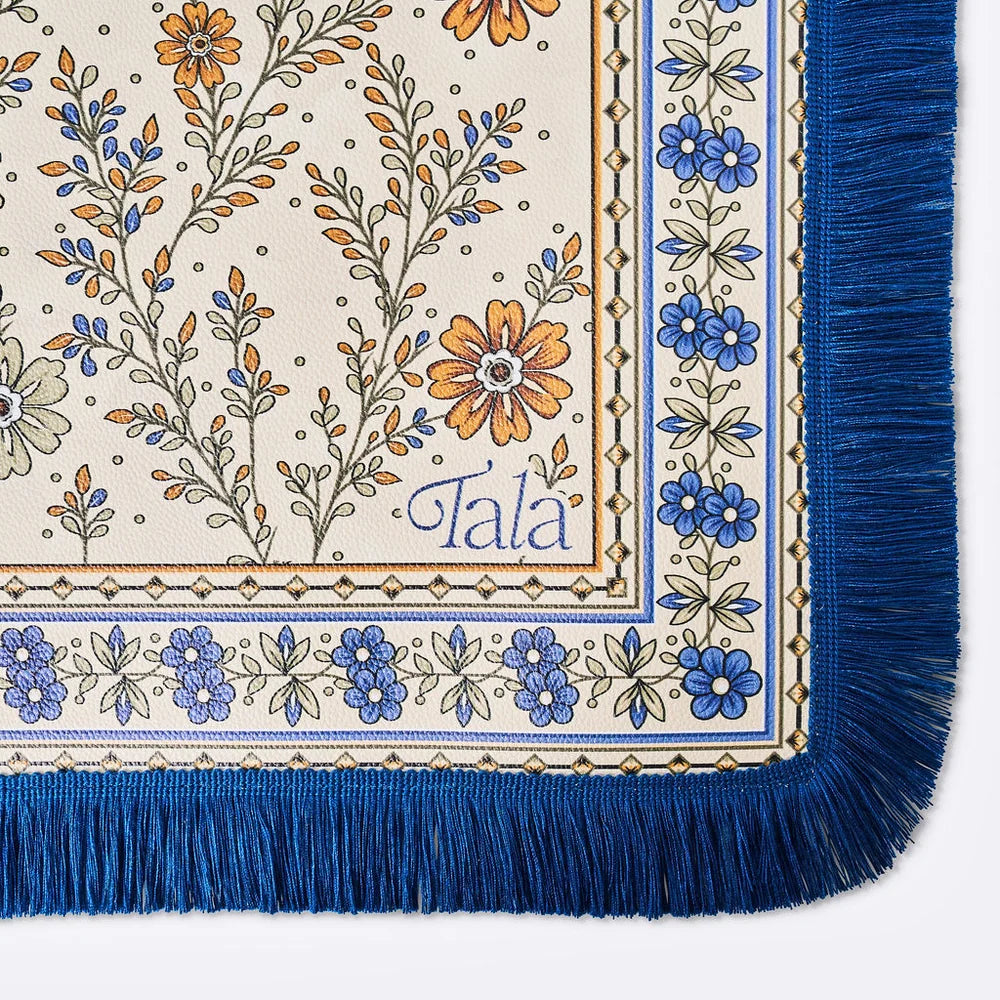
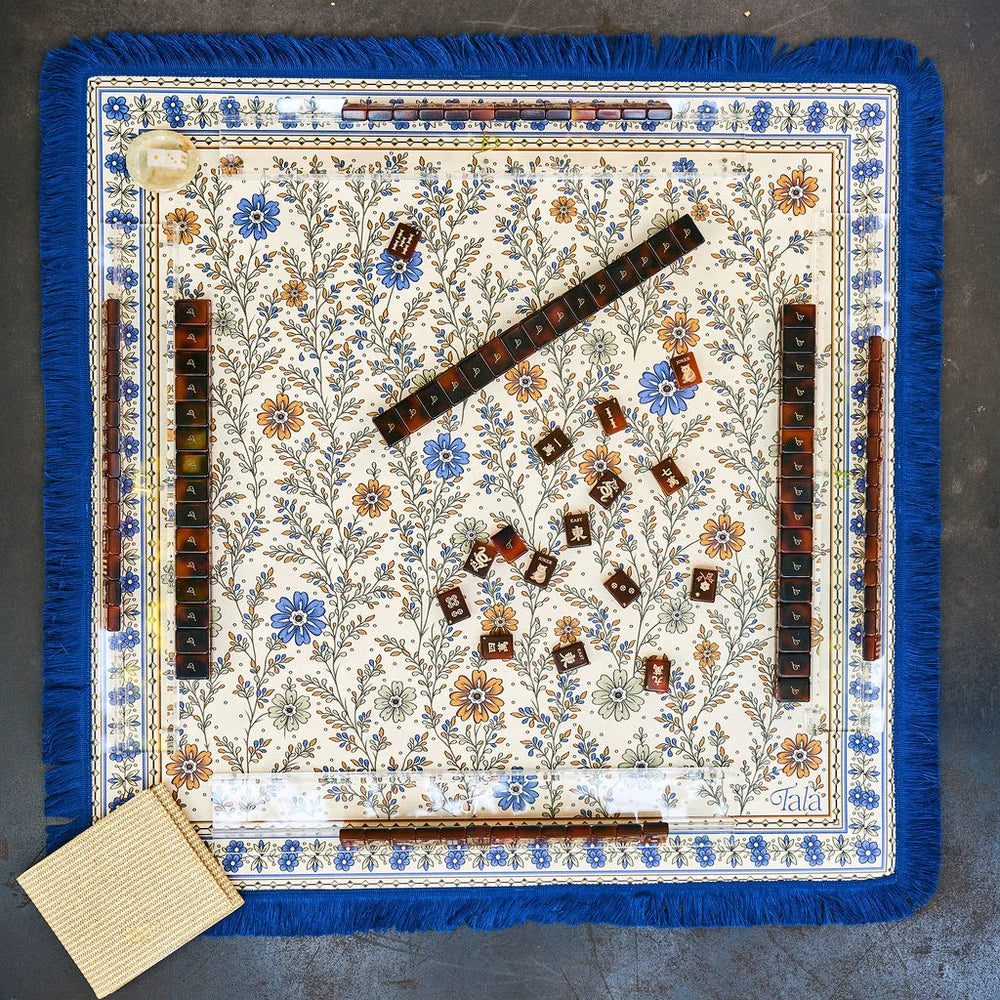
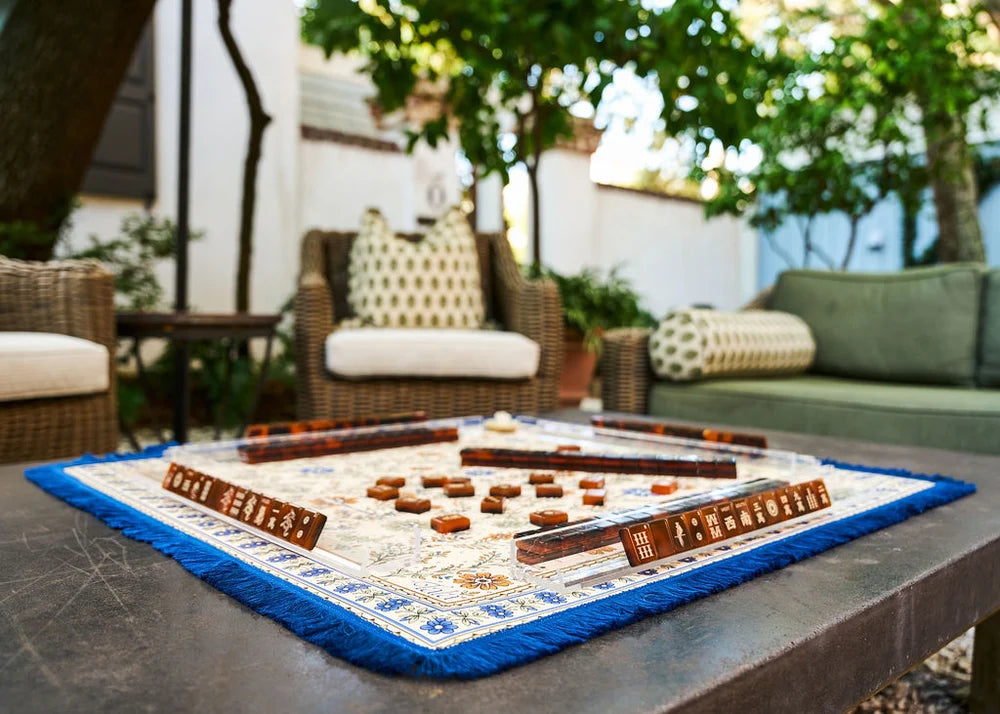
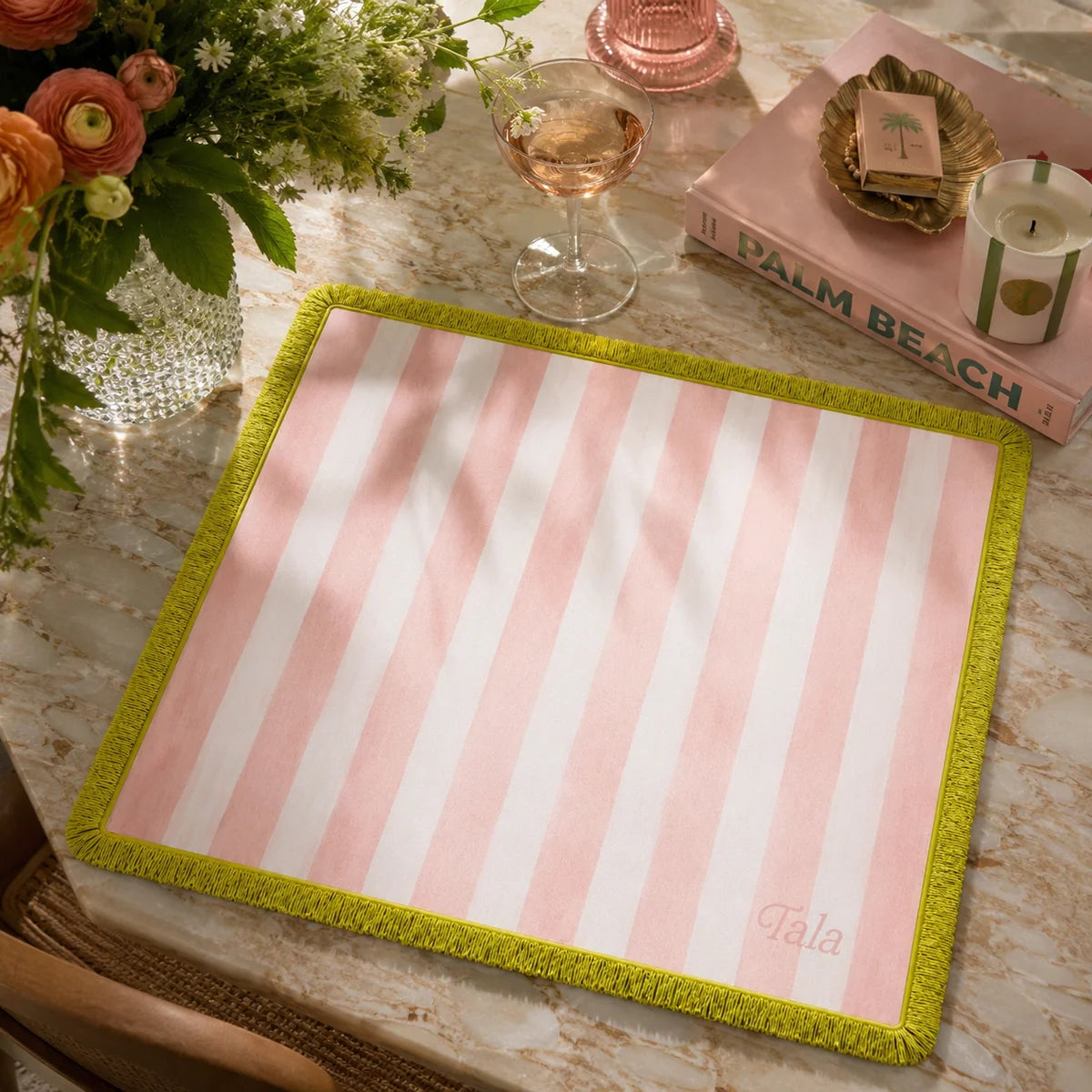
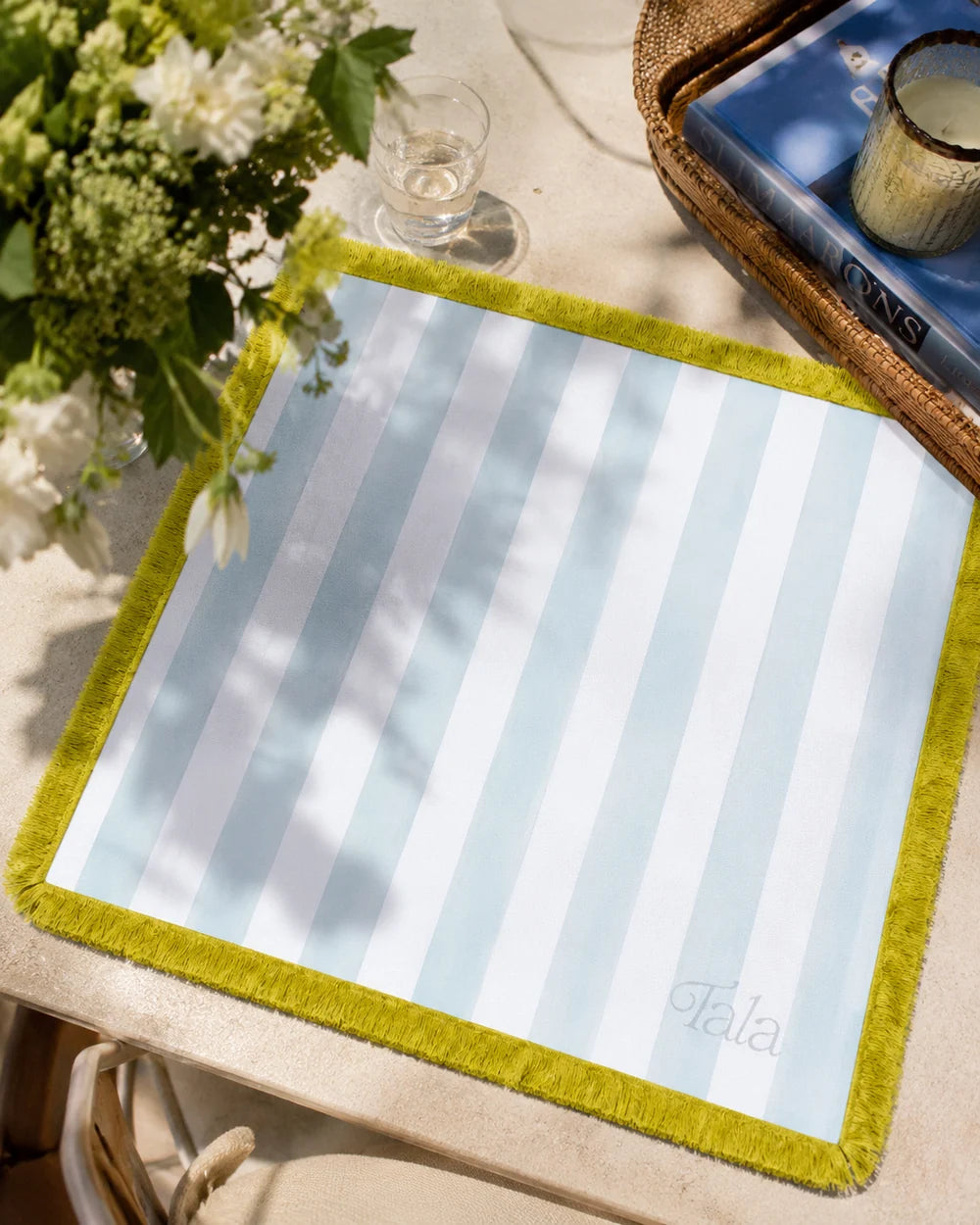
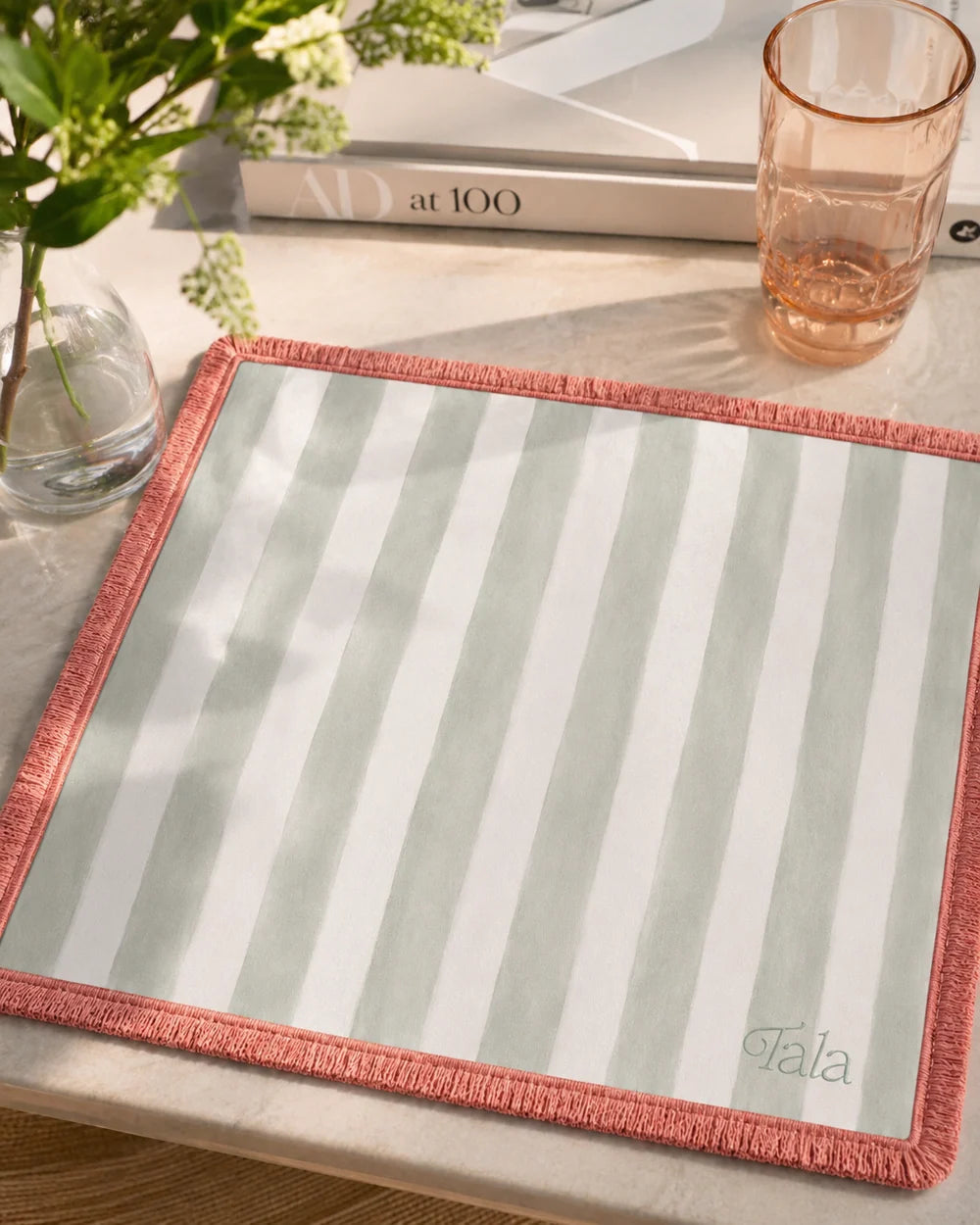
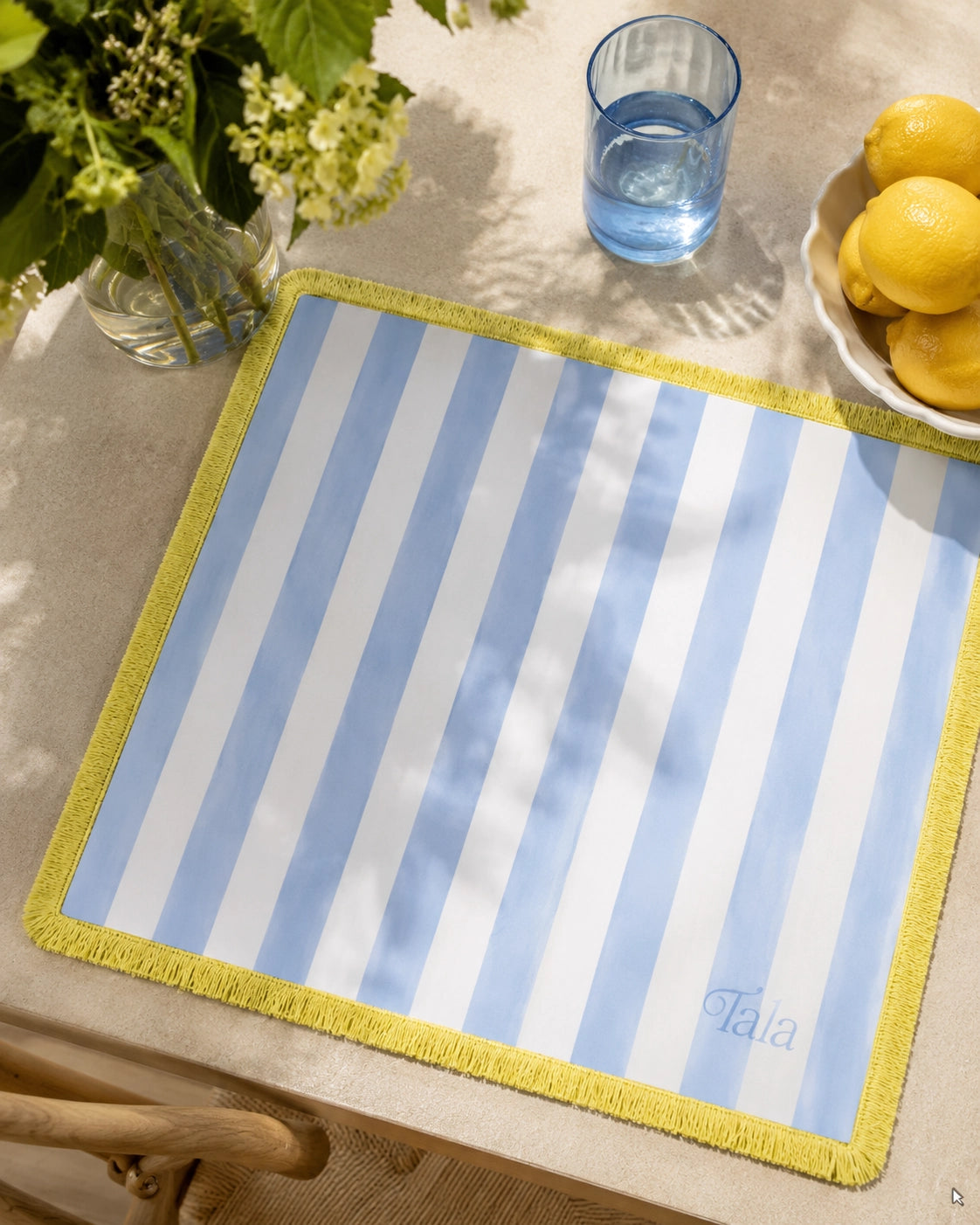
Custom mats and tiles are part of what has made the American version of mahjong appealing from a lifestyle perspective across social media. The mats, used to protect tables and reduce noise, add another fun design element to the experience that enables you to make it your own. “We use different sets of mahjong tiles that you don’t have at home to curate the experience,” says Restrepo. Themed tiles represent the different suits found in traditional Chinese sets, but in a unique way. For instance, the dot tiles might have golf balls for a golf-themed set or buoys for the New England-themed set. “We really try to tweak each event and it’s really custom,” says Restrepo.
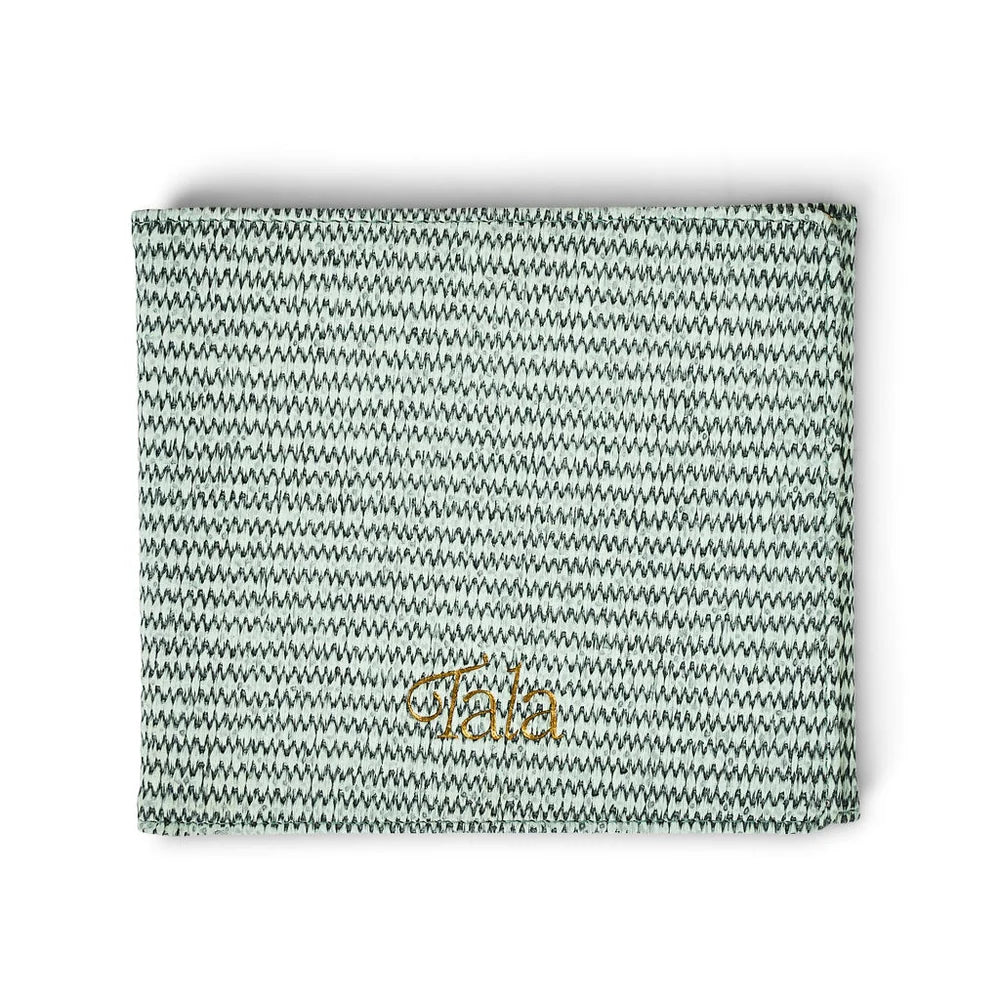
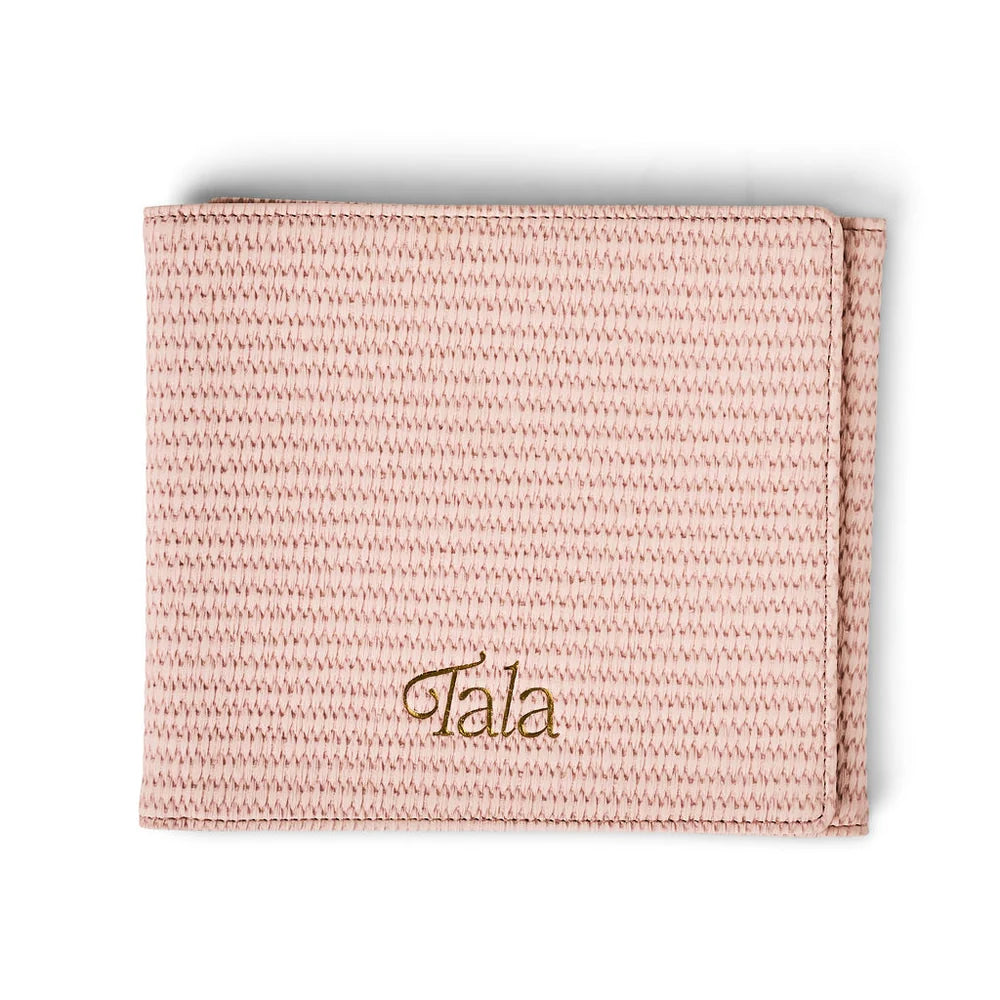
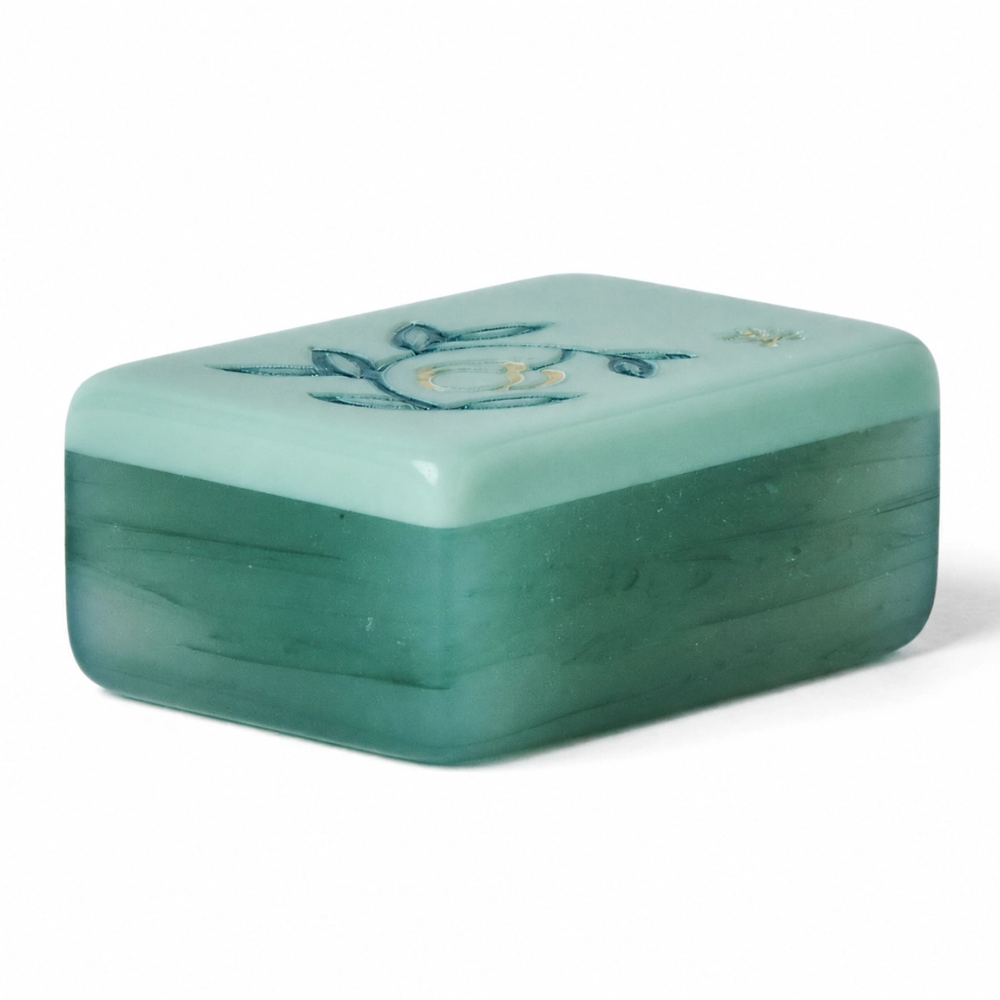
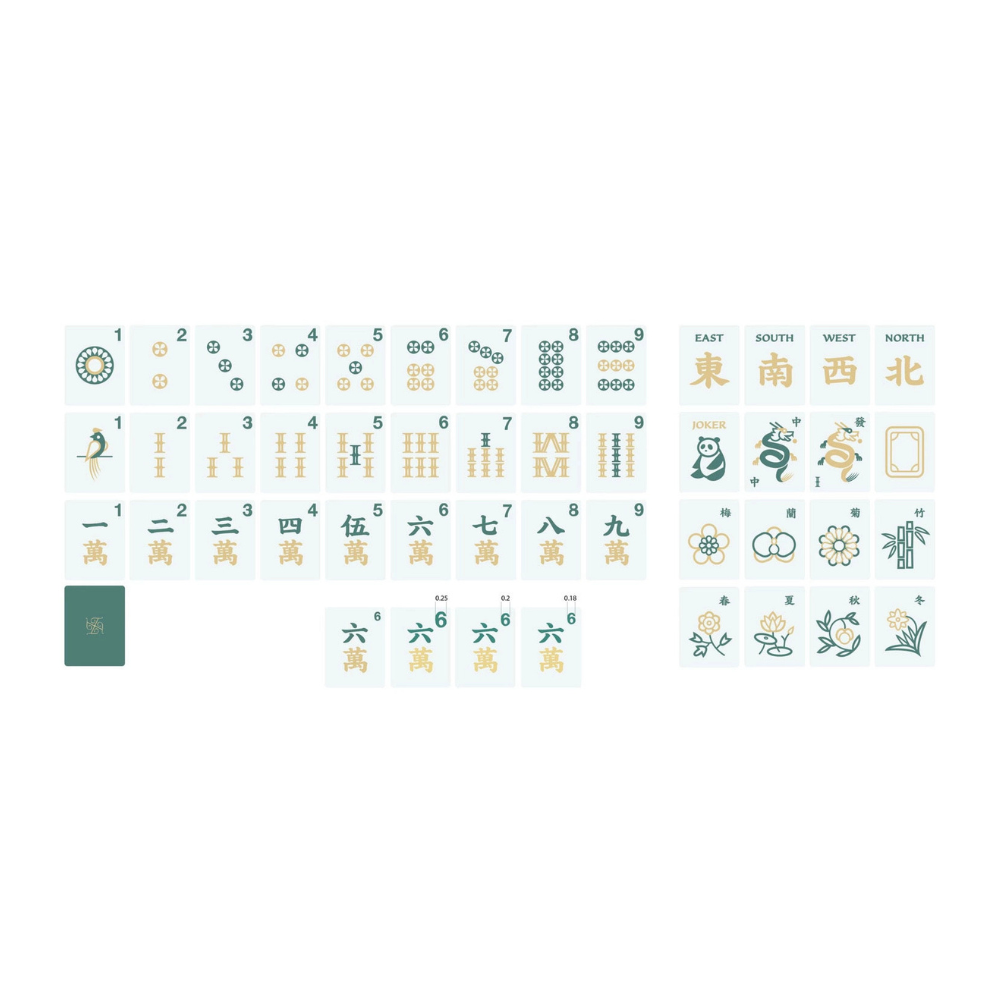
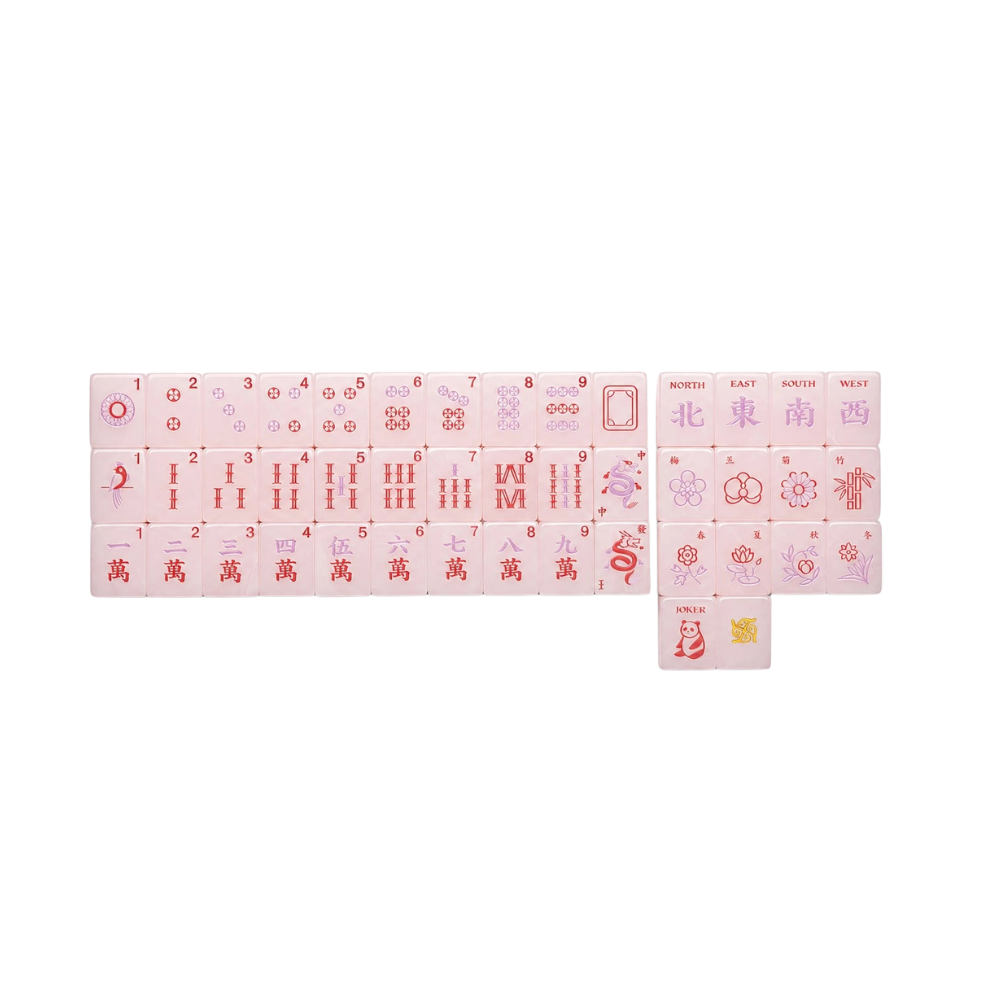
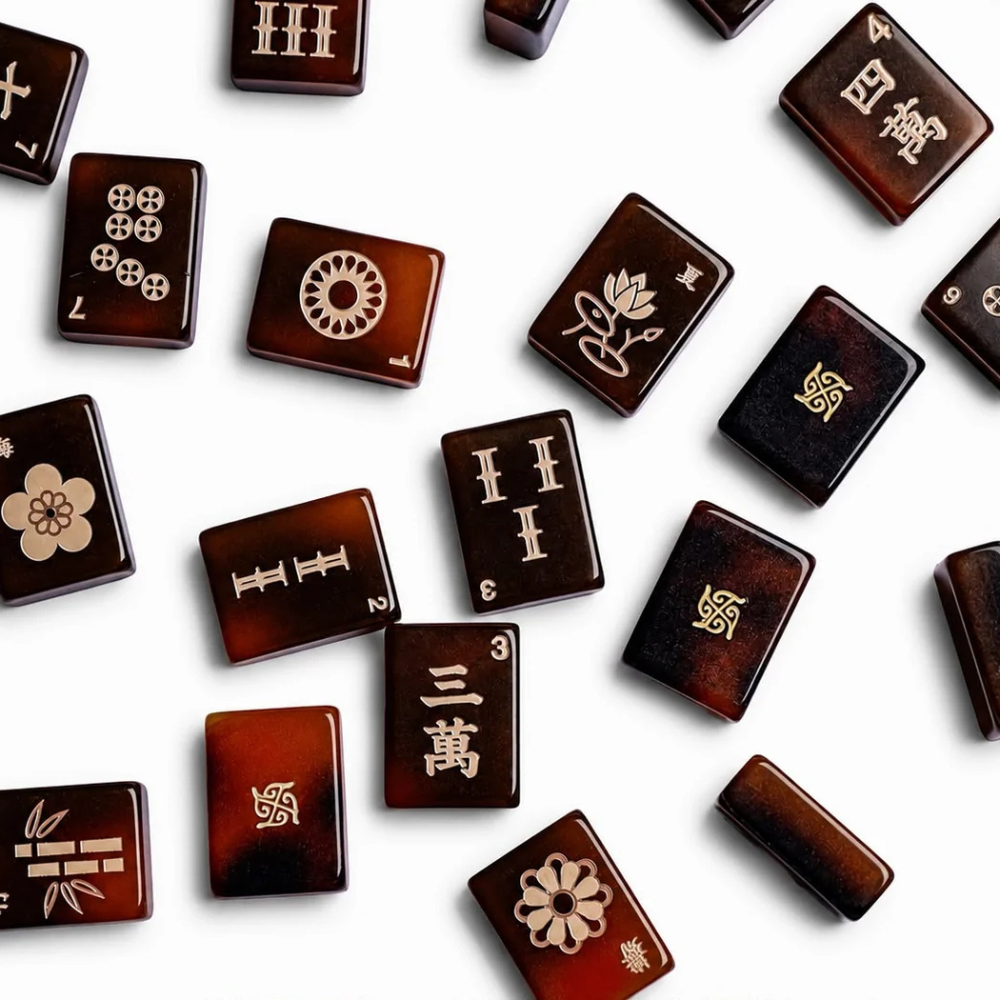
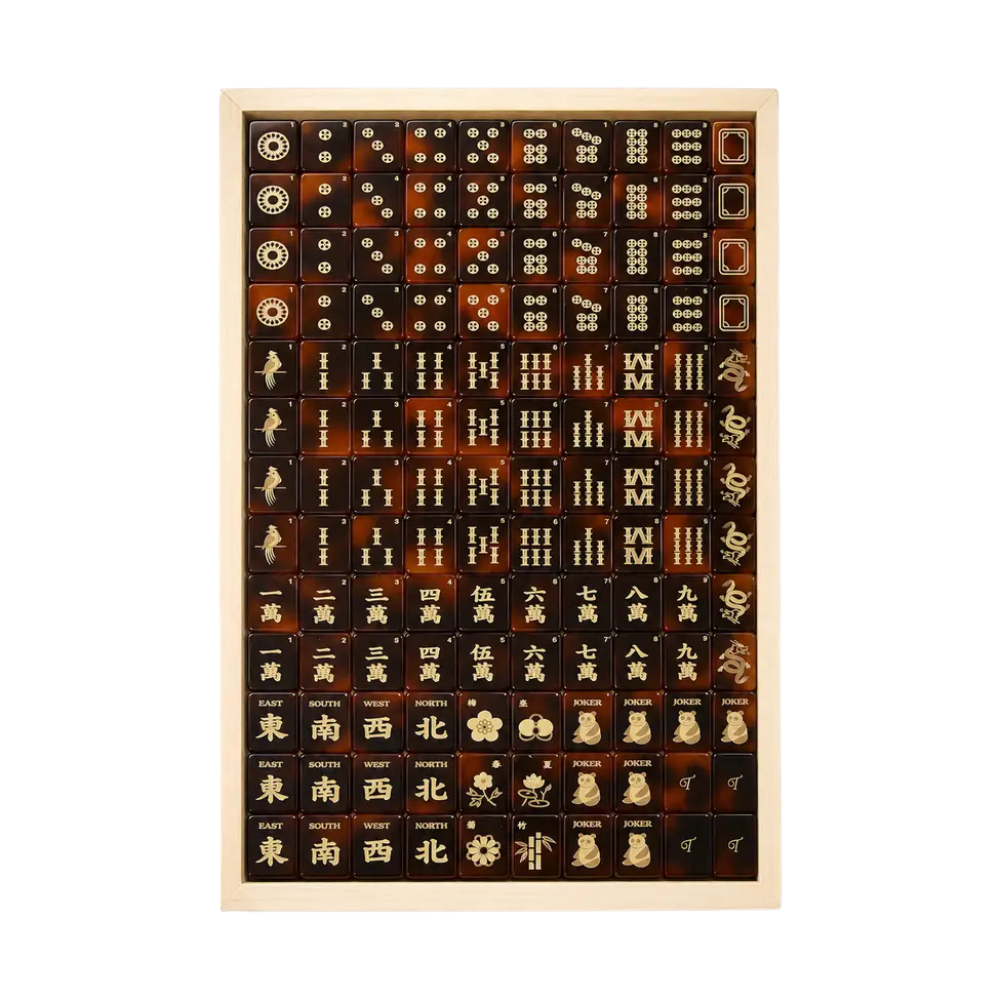
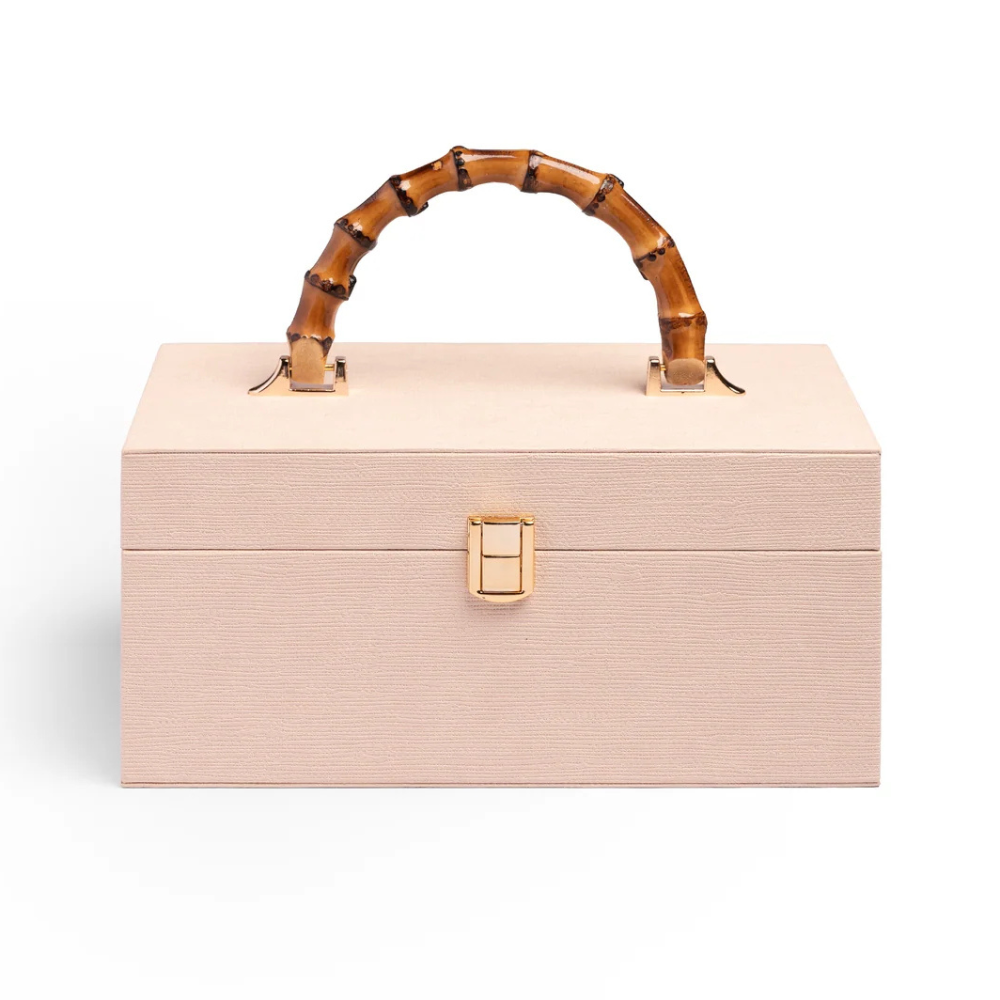
It’s that cross section of “beautifully curated and fun to play” where Tala aims to meet customers, too. The sisters loved the idea of the different tile sets with pictures representing the traditional Chinese symbols, but felt it was one more step for brains to process which picture represented which traditional symbol. Their line aims to merge the Chinese tradition of the game with the American focus on design. “We wanted to create pieces that felt timeless, with beautiful materials, thoughtful details, and a more sophisticated approach to color and design—something you'd be happy to leave out in your living room, not just bring out for game night,” says Dotson.
The trend is “very unique to the American culture,” says Moy, who loves both the Chinese traditional tiles and the modern American iterations. “Chinese mahjong is the framework: it gives mahjong the language, the foundation, the history and the tradition. American mahjong has its own distinctive rules and its own vocabularies and rhythm,” says Moy. “There’s always more to discover. There’s a culture, there’s superstition, tactics, strategies. It’s bottomless.”
“Don’t be intimidated,” advises Dotson. “Find a few friends, take a lesson together, and don't take it too seriously. You'll figure it out as you go, and you'll probably laugh a lot along the way.”






By Kristan Zimmer