

As the weather warms and the sun gets more intense (even on cloudy days), skin experts agree we should change up our daily routine. We called on medical professionals in our area to get their best advice on what we should be doing daily to keep our skin healthy and glowing all summer long.
Choose a lighter moisturizer.
In winter months, a thicker, heavier cream can help combat against winter’s harsh, dry air, but as the weather warms and humidity increases, switching to a lighter moisturizing lotion, water-based gel or serum can keep skin moisturized without clogging pores. “Hyaluronic acid and niacinamide are good ingredients to look for,” says Jeffrey Knispel, MD, board-certified dermatologist at Dermatology Associates of Western Connecticut, with offices in Ridgefield, Newtown, Southbury and New Milford, CT. “Focus on a simple routine which includes a mild cleanser, moisturizer to hydrate and sunscreen to protect.”

Begin the day with vitamin C and end with retinol.
A simple daily morning routine should include a Vitamin C serum to provide antioxidants and sunscreen for SPF protection,” says Dr. Alexandra Labiak, board-certified dermatologist at Greenwich Point Dermatology in Greenwich, CT. In the evening, washing your face with a gentle cleanser cleans pores from sweat and dirt of the day, advise dermatologists. Dr. Labiak likes retinol at night. “It’s great for anti-aging,” she adds. While it can cause your skin to redden when exposed to the sun, if you apply before bed, that shouldn’t happen, she attests. If retinol is part of your evening routine, just check with your doctor or dermatologist to discuss the strength of your retinol (over the counter or prescription) and how often you use it. If your skin is sensitive, every other day or a few times a week might be preferred. Most importantly, whatever skincare routine you have for morning and night, apply it to your neck, lips and hairline for the best results, says Dr. Labiak.
Prioritize protection over repair.
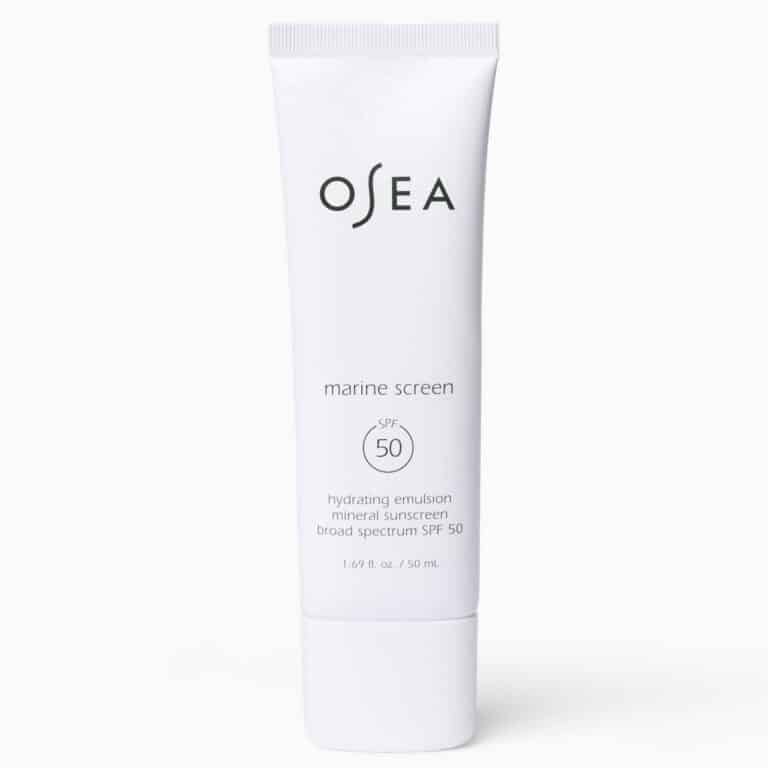
“In the winter, our skin is a lot drier and we are focused on moisturizing, but since the sun is stronger in summer you should really turn to more formulations that prevent sun damage,” says Alicia Masucci, MD, a primary care physician in New Canaan, CT, affiliated with Nuvance Health and Norwalk Hospital. While there are countless iterations of sunscreen out there, look for a broad spectrum sunscreen with UVA and UVB protection. UVB rays cause burning but both UVA and UVB can result in cancer so it’s a common misconception that if you don’t burn you aren’t damaging your skin, says Dr. Masucci. Choose sunscreen with an SPF of at least 30, which provides 97% protection from the sun’s harmful rays, says Dr. Knispel. While SPF 50 or 70 are out there, doctors agree that anything higher than 30 provides minimal additional protection. If you are concerned about your sunscreen’s ingredients, opt for a mineral-based sunscreen with zinc oxide and titanium dioxide, advises Dr. Masucci. It reflects the sun’s light and helps reduce dryness, eczema and rosacea. In non-mineral sunscreens, look for ingredients like avobenzone (Parsol 1789), Mexoryl SX or Tinosorb, for the best UVA protection, says Dr. Knispel.
Apply sunscreen last, often and liberally.
Doctors agree, most people don’t apply enough sunscreen or apply often enough. Don’t rely on makeup with SPF in it, advises Dr. Masucci. Apply at least a nickel sized amount of SPF 30 on your face on top of any other layers you apply to your skin of makeup and skincare creams and lotions, and more on other parts of your body. “I would recommend wearing SPF no matter what, every day in the summer, especially if you are using anything with a retinol component,” says Dr. Masucci. When you are planning on being outside, apply sunscreen right before and liberally, says Dr. Knispel. “To be effective, sunscreen has to be applied every two to three hours outdoors and even more often when you are sweating or in the water,” he adds. “One misconception is that some sun is beneficial because it can increase Vitamin D levels which is important for bone health. This is not true. The average person achieves recommended Vitamin D levels through incidental exposure and diet and if not, over the counter supplementation is a much safer alternative.” There is another common misconception that wearing sunscreen prevents you from absorbing Vitamin D, says Dr. Masucci, but that isn’t true either. In fact, studies have shown wearing sunscreen does not affect your body’s ability to absorb Vitamin D. She agrees that those with deficiencies should turn to supplements rather than sun bathing.
Cover up.
The best way to keep skin clear, glowing and healthy is to cover up and avoid sun exposure whenever possible, particularly between 10 a.m. and 2 p.m. when the sun is at its strongest, say experts. With lots of SPF hats and coverups on the market today, doctors say they provide additional opportunity to protect your skin. “I personally love SPF clothing,” says Dr. Labiak. “I think that’s a really nice way to not have to worry about reapplying every 80 minutes.” Even if sunburn isn’t the result, age spots and other skin damage over time are signs you are getting too much. “There is no such thing as a safe tan,” says Dr. Labiak.