

Summer, for most of us, means more sun, sweat, sunscreen and all the things. But all this exposure during warmer months can leave our skin more congested and downright taxed, say skin experts. September is a great time to get back to healthy skin routines and focus on the basics. “Gentle exfoliation can be a reset for the skin, allowing it to ‘restart’ with a fresh, clean slate,” says Dr. Kim Eickhorst, board-certified dermatologist and partner at Dermatology Associates of Western Connecticut, which has offices in Southbury, Ridgefield and Newtown, CT. We’ve all heard exfoliation can help slough off dry, dead skin that accumulates on our skin’s surface, but who should do it, and how, when and where? Our editors asked the pros for best advice.
The approaches
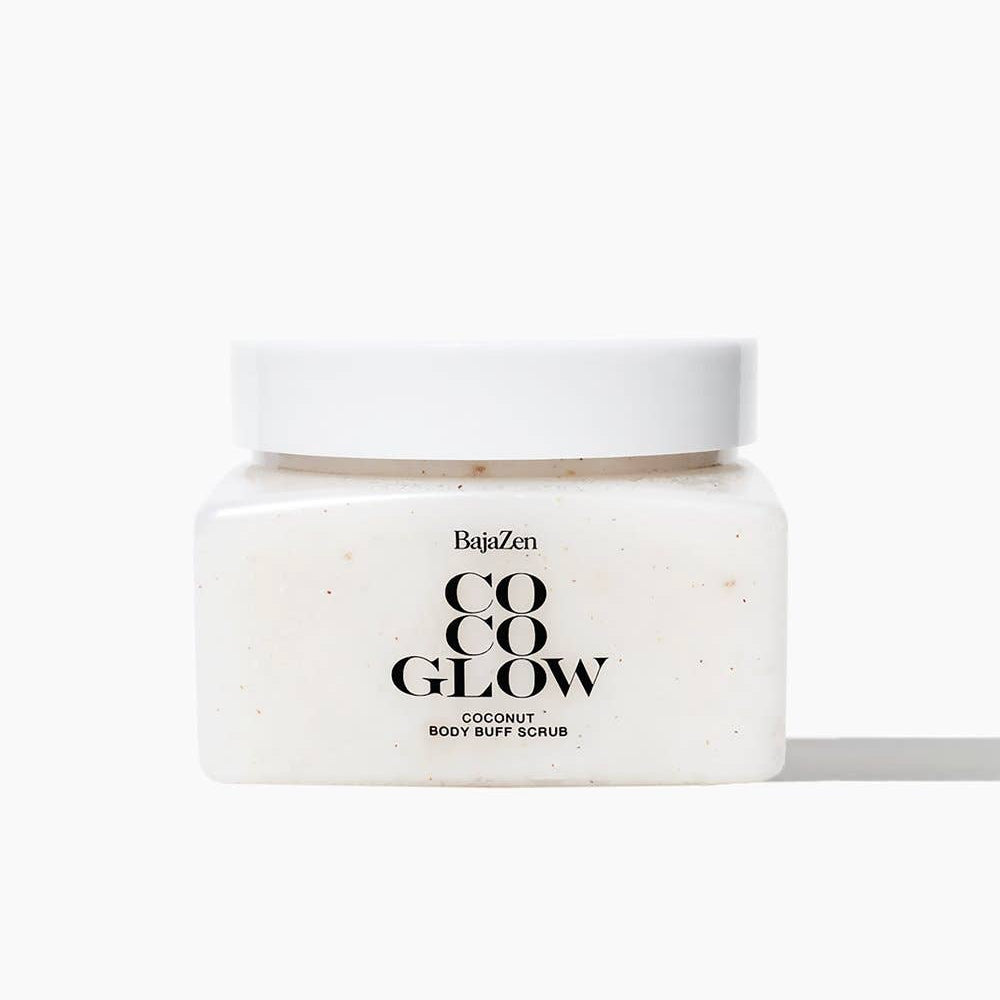
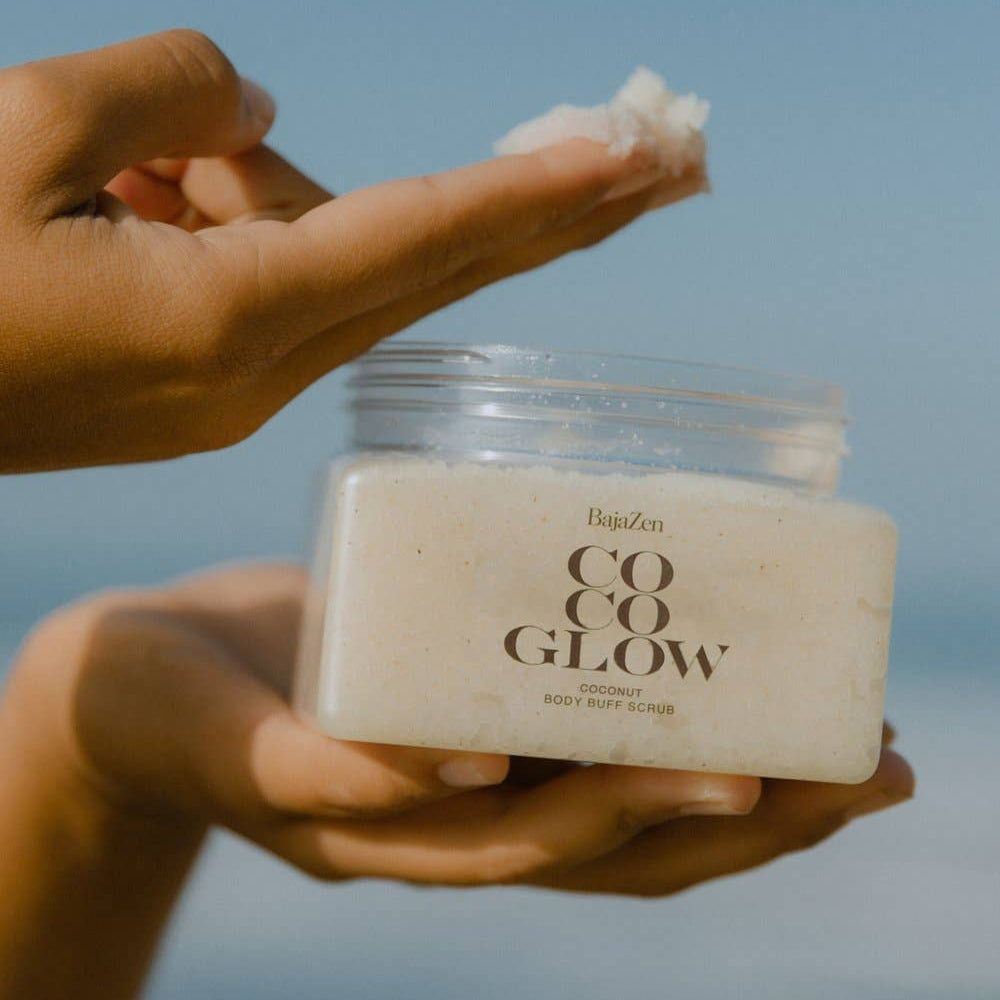
There are two types of exfoliation: chemical and mechanical. Chemical exfoliation includes things like alpha (glycolic and lactic acid) and beta (salicylic acid) hydroxy acids. These can be purchased over the counter or through a dermatologist in higher concentrations as needed. Mechanical exfoliation can be achieved through scrubs and brushes for everything from face to feet.
Exfoliation should be individualized, recommends Dr. Leah Ansell, board-certified dermatologist at Treiber Dermatology Associates in Rye, NY. “A soft facial brush can provide mild exfoliation and massage, but I wouldn’t rely on it to sculpt the face,” says Dr. Ansell. Doctors recommend cleaning any brush regularly with a gentle cleanser and water and letting it dry out completely before the next use as they can harbor bacteria. “I would avoid anything too harsh or rough as it can strip your skin barrier,” she adds.


The Skin Types
If you are unsure what type of exfoliator is best for your skin type, consult a physician first. “The type and frequency of exfoliation should be tailored to your skin type and concerns, as over-exfoliating can cause irritation and worsen some skin conditions,” says Dr. Maria Piatac, a family medicine physician affiliated with Northwell Health's New Milford Hospital.
Oily or acne-prone skin may benefit from salicylic acid while glycolic and other alpha hydroxy acids may help improve texture and pigmentation for others. People with sensitive skin or conditions like rosacea and eczema should be more cautious. Whatever you choose, start with just one approach and limit frequency. “For many people, one to three times a week is plenty,” says Dr. Ansell. “I often see patients unknowingly layering a retinoid, exfoliating cleanser, acid and scrub, all of which can quickly become too much.”
If you have a compromised skin barrier such as extremely aged and dry skin or sensitive conditions, even a gentle exfoliator may be too compromising, advises Dr. Eickhorst. This can lead to not only irritation but sometimes infection. “Darker skin toned individuals might also want to limit exfoliation/ approach it with caution, as stripping the skin of what it needs in this skin type can lead to not only inflammation but also increased hyperpigmentation causing unwanted darkening of the skin,” she adds.
The Routine
Once you decide which product is best for your skin, start with one type of exfoliation once weekly and assess your skin’s response. “Increase only if the skin is happy and feeling good,” advises Dr. Eickhorst. “I usually suggest adding only a day at a time every three weeks or more.”
Start with a simple nighttime regimen, advises Dr. Eickhorst. One night a week, cleanse, exfoliate and moisturize. Wait several weeks before adding a second night to this routine. “I would not recommend exfoliating every night simply because a product says it can be used daily,” she adds.
Most importantly, says Dr. Piatac, be sure to use a daily broad-spectrum sunscreen, particularly when using chemical peels, applying retinoids and using alpha-hydroxy acids. “Consistent sun protection also helps irritation and post-inflammatory hyperpigmentation,” she adds.


The Results
Within days, you may notice your skin feeling smoother and brighter. Within weeks, makeup may go on more evenly and you may have fewer clogged pores and fewer breakouts while seeing skin tone and texture improve. But be mindful that you don’t need to “feel it working” say dermatologists. “Burning, stinging, and redness are not signs of effectiveness, they are signs that you’re probably overdoing it,” says Dr. Ansell. “Proper exfoliation makes your skin look and feel smoother, without excessive redness or irritation.”